Author name: Alakar Thirupathi Builders

Commercial Building, Residential Building

Commercial vs Residential Construction: Key Differences Explained

Understanding the Key Differences Between Commercial and Residential Construction When observing construction sites, it may seem like all projects follow similar patterns. However, the world of construction is broadly divided into two major categories: commercial and residential. Though they may share common foundational elements, their goals, processes, and outcomes differ significantly. What Do These Two Construction Types Mean? Commercial Construction This category involves the development of spaces for business, industrial, and institutional purposes. Examples include office buildings, retail complexes, warehouses, schools, hospitals, and entertainment venues. Residential Construction This focuses on creating living environments such as houses, apartments, townhomes, and condominiums. The end users are individuals or families who will reside in the structure. Intended Use and Practical Purpose Commercial Projects These are designed to facilitate professional operations. Whether it’s accommodating employees, customers, or storing goods, the focus is on high utility, compliance, and often visual appeal. Residential Projects Residential structures are tailored to provide comfort and a personalized atmosphere. Elements like bedrooms, kitchens, and living rooms are central, aiming for a homely and aesthetic ambiance. Regulatory Requirements and Code Compliance In Commercial Works These projects must meet a wide range of regulations due to their scale and purpose. This includes zoning laws, fire safety codes, disability access standards, and industry-specific legal requirements. In Residential Projects While also regulated, the codes are typically simpler. They emphasize safe, habitable environments without the need for extensive commercial-grade features. Size, Investment, and Planning Commercial Developments These often involve large-scale designs with greater budgets and stakeholder involvement. Professional teams manage intricate timelines and strict cost frameworks. Residential Developments These range from minor remodels to full housing developments. Budgets and timelines are generally more flexible, especially when managed by individual homeowners. Differences in Design and Aesthetic Goals Commercial Design Approach Modern commercial buildings prioritize open layouts, accessibility, and technology integration. They are designed for high performance, client interaction, and branding. Residential Design Approach Here, the emphasis is on lifestyle and personal expression. Homeowners may opt for traditional, contemporary, or hybrid aesthetics based on taste and functionality. Construction Materials and Structural Techniques Commercial Techniques Advanced materials such as structural steel, reinforced concrete, and high-capacity HVAC systems are commonly used. Durability and code compliance are top priorities. Residential Techniques Typical materials include wood framing, drywall, and standard-grade utilities. The goal is to balance safety, comfort, and cost-effectiveness. Project Timeline and Deadline Sensitivity For Commercial Builds Timelines are tightly managed due to the financial and operational impact of delays. Milestone-driven progress is common, with minimal flexibility. For Residential Builds While delays are not ideal, there’s generally more flexibility in schedules. Homeowners often allow more time for customization and finishing touches. Skill Sets and Professional Expertise Commercial Construction Teams These teams require in-depth expertise in large-scale project management, industry standards, and high-tech systems. Strong coordination and regulation awareness are essential. Residential Construction Teams Craftsmanship, customer communication, and design personalization are emphasized. Teams often work closely with homeowners to reflect their vision. Commonly Asked Questions Do commercial projects need larger investments?Yes, commercial developments are typically more expensive due to their size, complexity, and code requirements. Are commercial timelines stricter than residential ones?Absolutely. Commercial schedules are usually more rigid due to stakeholder obligations and operating costs. Is the design approach different between these two?Yes. Commercial design focuses on efficiency and branding, while residential design is more personal and lifestyle-oriented. Do both follow the same building codes?No. Commercial projects are subject to stricter and more varied codes compared to residential structures. What challenges arise in residential historic renovations?Such renovations must respect original architectural features while complying with modern safety and zoning codes. Final Thoughts on Construction Project Types Both commercial and residential construction share a common foundation in building principles, yet diverge greatly in purpose, scale, materials, and regulatory complexity. Understanding these distinctions is critical—whether you’re a builder, property owner, or investor. Choosing the right approach ensures smooth execution and optimal results tailored to the project’s unique objectives.

Apartment, Commercial Building

Best Practices for Successfully Managing Large-Scale Construction Projects

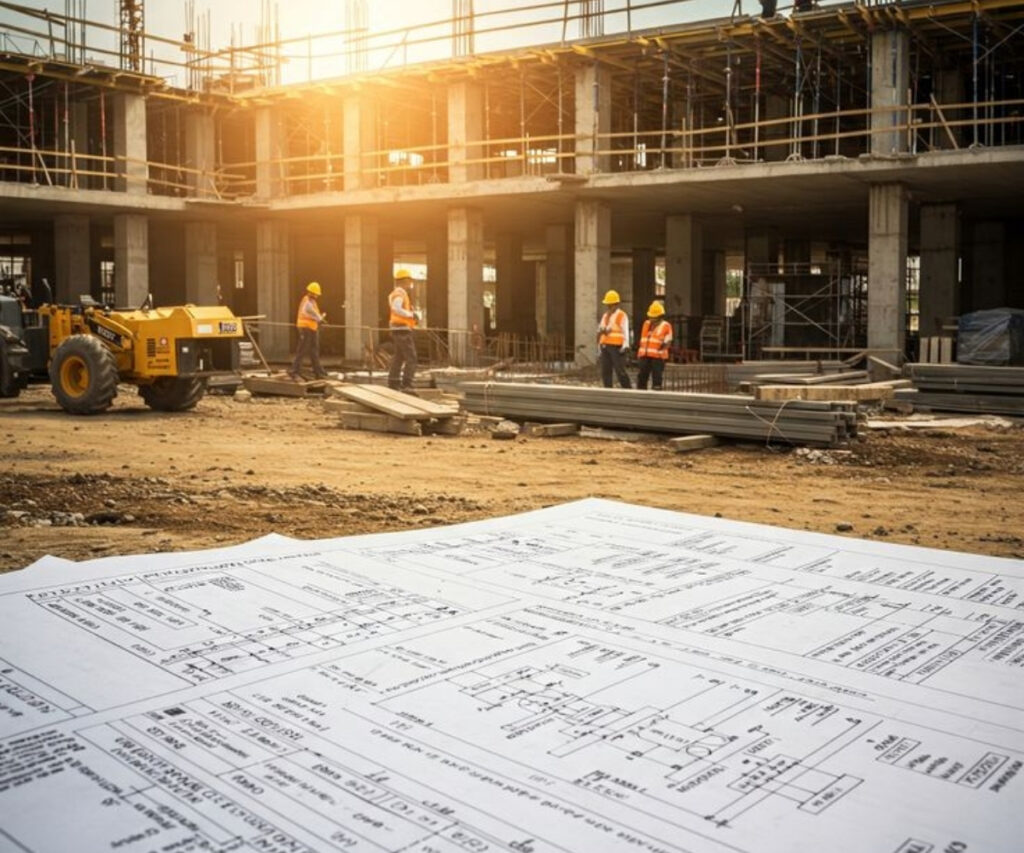
Best Practices for Managing Large-Scale Construction Projects Managing large-scale construction projects requires strategic planning, flawless coordination, and diligent execution. Given their extensive scope and complexity, these projects demand a well-structured approach to achieve timely and successful outcomes. The following best practices are key to streamlining the process and ensuring long-term success. 1. Build a Robust Project Plan Begin with a detailed and realistic project roadmap. Clearly define: Project goals Functional requirements Timelines and deadlines Budget allocations Resource distribution A comprehensive plan helps in minimizing ambiguity, improving accountability, and promoting focused execution across all teams. 2. Set Up Clear Communication Protocols Communication breakdowns are a common cause of delays. Establish structured communication systems to ensure: Regular client and team meetings Transparent updates and feedback loops Use of digital collaboration platforms Timely escalation of challenges Clear communication improves decision-making and keeps all stakeholders informed. 3. Segment the Project into Smaller Tasks Dividing large-scale projects into manageable phases enables: Improved focus on specific tasks Easier identification of bottlenecks Accurate progress tracking Better quality control Phased execution allows teams to handle each element with care and attention to detail. 4. Encourage Collaborative Workflows Fostering collaboration among all key players—including architects, engineers, contractors, and suppliers—leads to cohesive teamwork. Strong coordination helps in: Fast problem-solving Seamless sharing of updates Aligning team goals Ensuring on-time delivery 5. Conduct Frequent Risk Reviews Proactively identifying potential risks ensures timely countermeasures. Regular risk assessments should focus on: Safety hazards Budget overruns Timeline delays Contractual disputes Preparedness minimizes disruptions and safeguards the project timeline. 6. Establish Project Controls Effective project controls help monitor progress and maintain alignment with goals. Use tools like: Earned Value Management (EVM) Daily progress reports Cost and quality benchmarks This enables informed decision-making and real-time adjustments. 7. Integrate Advanced Technologies Modern construction benefits greatly from technology. Implement: Building Information Modeling (BIM) Construction project management software Automated task workflows Technology improves efficiency, reduces human error, and provides accurate insights into ongoing activities. 8. Prioritize On-Site Safety Safety is non-negotiable in large-scale construction. Enforce strict safety policies by: Conducting regular safety drills Following legal and industry safety norms Providing personal protective equipment (PPE) Training teams on safety practices 9. Monitor Budget and Control Costs Maintain financial discipline through: Frequent budget reviews Expense tracking Timely adjustments for cost overruns Documentation of change orders Maintaining control over project finances reduces the risk of budget-related delays. 10. Maintain Thorough Documentation Keep detailed records of all project-related documentation, such as: Contracts and agreements Permits and approvals Design blueprints Site inspection reports Meeting notes and updates Good documentation supports transparency, simplifies dispute resolution, and ensures compliance. 11. Evaluate and Apply Lessons Learned Continuous improvement is crucial. At project completion, conduct: Performance reviews Team feedback sessions Analysis of successes and challenges Use this knowledge to improve future project execution and reduce repeated mistakes. By adopting these best practices, construction project managers can navigate the complexities of large-scale developments with confidence. A disciplined and proactive approach ensures that projects are completed efficiently, safely, and to the highest standards of quality.

Commercial Building

Top Commercial Construction Services | Trusted Contractors for Quality Builds

Top Commercial Construction Services for Business Infrastructure Experience the excellence of modern construction technology through seasoned expertise in commercial infrastructure. With nearly a decade of industry knowledge, leading construction firms have played a crucial role in building functional and aesthetically pleasing structures aimed at enhancing society’s overall infrastructure. Offering a wide range of turnkey construction solutions, these contractors handle projects of all types—from residential and commercial to industrial and institutional. Beyond new builds, services also extend to renovations, interiors, and allied systems such as electrical, plumbing, mechanical, and carpeting. Among these, commercial construction remains a specialized area of focus. Successfully executed projects include: Banquet and Marriage Halls Business and Office Complexes Restaurants and Hotels Retail Outlets and Showrooms Every project milestone paves the way for new achievements, continuously enhancing skill sets and delivering superior results. Collaboration for Superior Outcomes Working hand-in-hand with structural engineers, architects, and designers, top construction teams aim to deliver exceptional results. Skilled professionals with in-depth industry knowledge ensure flawless execution, setting these teams apart from other general contractors. Advantages of Choosing the Right Commercial Construction Partner Selecting the right commercial contractor can drastically influence the success of your development project. Here are key benefits: 1. High-Quality Craftsmanship Reputable builders offer a portfolio that speaks to their commitment to quality. They use top-grade materials and skilled labor, ensuring lasting durability and structural integrity. 2. Proven Experience Experienced contractors bring years of successful projects and industry insights. Their deep understanding of project challenges and solutions adds value at every phase. 3. Timely Project Delivery Efficient scheduling and strict adherence to timelines help clients stay on track with business operations. A timely handover can greatly affect profitability and planning. 4. Cost Optimization Strong industry connections allow for competitive pricing on materials and services. Their experience also helps avoid costly errors, making your investment more efficient. 5. Legal Compliance Reliable builders are well-versed in regional regulations, permit procedures, and compliance standards, ensuring a hassle-free approval process and legal safety. 6. Tailored Design Solutions From feasibility analysis to final execution, capable contractors collaborate with designers to bring your vision to life, balancing functionality with cost-efficiency. 7. Transparent Work Ethics Open communication, regular updates, and collaborative decision-making build a foundation of trust throughout the project lifecycle. 8. Risk Management Professionals take a proactive approach to identifying and mitigating risks, ensuring smooth project execution without unforeseen disruptions. 9. Green Construction & Innovation Modern contractors adopt the latest technologies and sustainable practices, helping you build structures that are energy-efficient, eco-friendly, and future-ready. 10. Long-Term Asset Value Properly built commercial properties stand the test of time. The right contractor ensures your investment appreciates in value with minimal maintenance issues. 11. Industry Credibility Contractors with a strong reputation prioritize client satisfaction and accountability, maintaining their trusted status in the construction community. 12. Post-Completion Support Top-tier firms offer follow-up services, maintenance assistance, and support to ensure long-term performance and client satisfaction. Why Partnering with the Right Contractor Matters Bringing your commercial infrastructure vision to life requires a construction partner who delivers more than just bricks and mortar. A trusted contractor offers: Years of diverse project experience Client-first approach with custom solutions A team of skilled specialists and technicians Commitment to premium quality and safety standards Use of innovative tools and technologies Clear communication from start to finish On-time delivery without compromising quality Complete end-to-end services—from design to post-handover Recognition for excellence in the construction space Sustainable practices for a better tomorrow Choose a construction partner that elevates your project, enhances your investment, and ensures long-lasting success.

Apartment

What is a 2 BHK? Complete Guide to 2 BHK House Plans, Features & Layouts

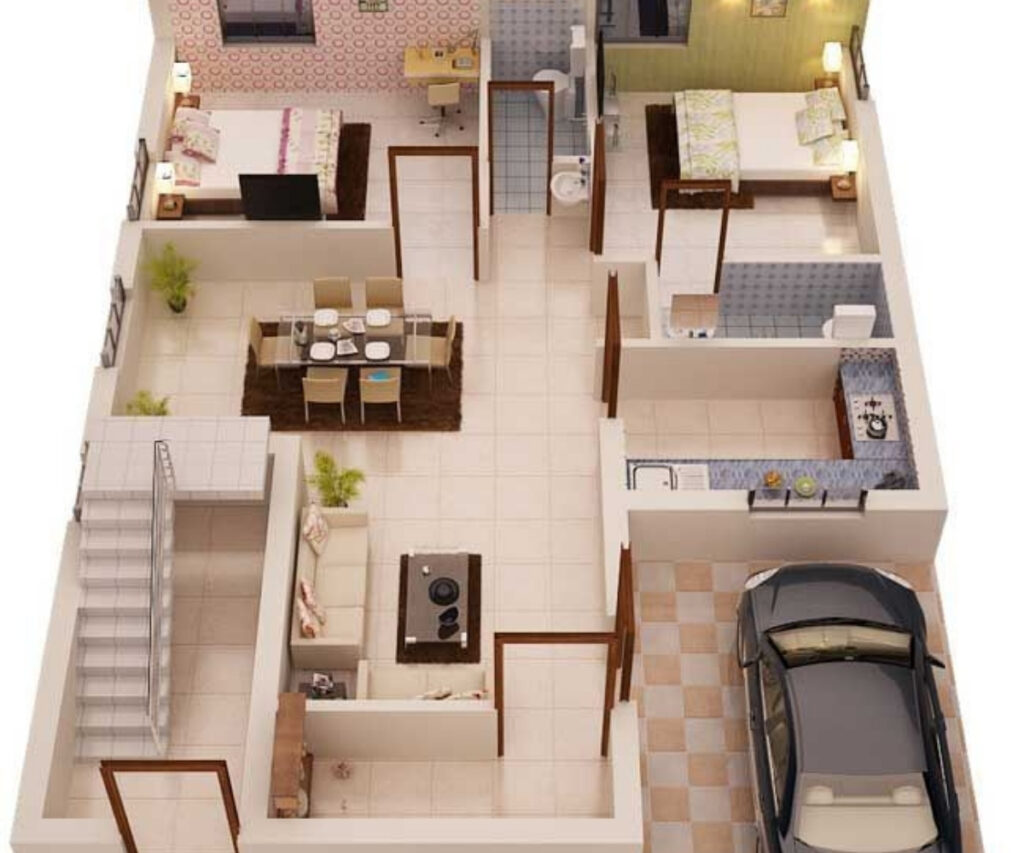
What is a 2 BHK Home? A 2 BHK refers to a residential unit comprising: 2 Bedrooms (B) 1 Hall (H) – commonly known as the living room 1 Kitchen (K) The term “BHK” is widely used to describe the layout of an apartment or house, especially in countries like India. A 2 BHK flat or house generally includes additional spaces like bathrooms, balconies, and utility areas, though these are not directly mentioned in the term. This layout is ideal for couples, small families, or professionals seeking extra room for guests or a home office. Why Choose a 2 BHK Layout? A 2 BHK strikes the perfect balance between space, functionality, and affordability, especially in urban settings. It’s versatile, customizable, and offers all the essential spaces needed for comfortable modern living. Understanding a 2 BHK House Plan A 2 BHK house plan outlines the spatial arrangement of the unit, including the size and placement of rooms. A well-designed plan maximizes usable space, promotes natural light, and ensures a seamless flow between rooms. Key Features of a 2 BHK Design Two Bedrooms:Typically includes a master bedroom with an attached bathroom and a secondary bedroom for guests or children. Living Room (Hall):A central space for entertainment and family time. Often connected to other parts of the house and can include a dining area. Kitchen Area:Either open-concept or enclosed, often modular with ample storage, counter space, and adjacent dining. Bathrooms:Generally two – one attached to the master bedroom and another common bathroom for guests or shared use. Balcony or Utility Space:A small balcony or dedicated utility area for storage, laundry, or relaxation. Storage Options:Built-in wardrobes, lofts, and modular kitchen cabinets to efficiently use space. Variants in 2 BHK House Plans Compact Design:For smaller plots or apartments with focus on space efficiency. Spacious Layout:Larger rooms and open areas, suited for families preferring extra space. Open Concept Plan:Merges kitchen, dining, and living into one airy space. Traditional Plan:Clearly defined individual rooms for privacy and conventional aesthetics. Sample Layout for a 2 BHK House (Approx. 900–1200 sq. ft.) Area Features Living Room 15′ x 12′; seating + optional dining Master Bedroom 14′ x 12′; attached bathroom 8′ x 5′ Guest/Children’s Bedroom 12′ x 10′; near shared bathroom Kitchen 10′ x 8′; modular setup, near dining Balcony 6′ x 10′; relaxation + fresh air Utility Area 6′ x 4′; laundry + storage space Interior Elements for Smart Living Open Floor Layouts: Promote space and flexibility. Large Windows: Allow natural light and ventilation. Multifunctional Furniture: Ideal for storage and space efficiency. Modern Finishes: Durable, stylish materials for a premium look. Vastu-Compatible Options: For those preferring traditional design energy principles. Tips to Plan a Functional 2 BHK Home Optimize Every Square Foot: Choose designs that allow dual-use areas and clever storage. Ensure Proper Ventilation and Light: Maximize window placement for natural light and airflow. Prioritize Flow and Connectivity: Maintain easy movement between kitchen, hall, and bedrooms. Include Custom Storage: Built-ins and overhead cabinets improve usability. Adaptable Design: Ensure the layout can be modified for changing family needs. Conclusion A 2 BHK home offers an ideal combination of comfort, utility, and affordability. Whether you’re looking for a compact city flat or a more spacious suburban house, this layout adapts well to varying needs. With thoughtful design elements like open spaces, natural lighting, modular kitchens, and storage-friendly layouts, a 2 BHK plan delivers a practical yet elegant living environment for modern individuals and families alike.

Apartment, Residential Building

Smart Bathroom Storage & Shower Partition Ideas for Small and Stylish Spaces

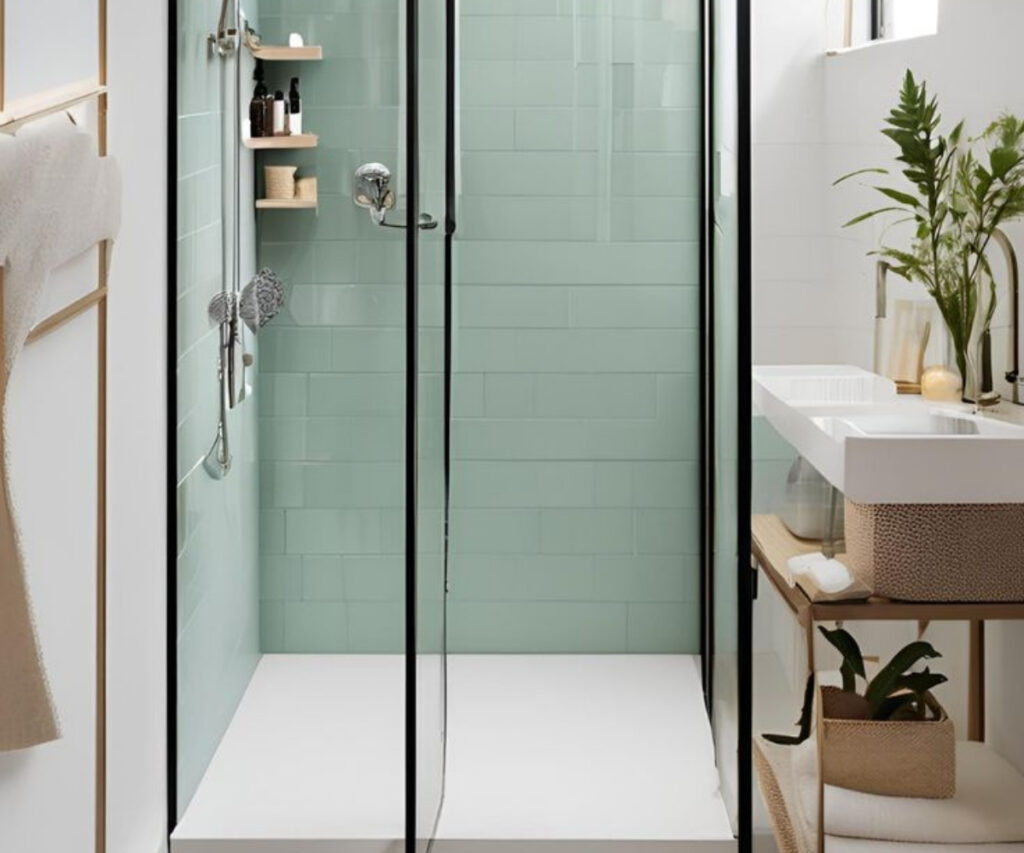
Smart and Stylish Solutions for Bathroom Storage and Shower Partitions Designing a functional and stylish bathroom can be challenging, especially with limited space and lighting. However, with a mix of creativity and smart planning, you can transform your bathroom into an organized, elegant, and efficient space. Here are some clever storage ideas and partition solutions to make the most of your bathroom: 1. Use Glass Shower Partitions for a Spacious Look Installing a glass partition around the shower area instantly makes a bathroom appear larger and brighter. It prevents water from splashing across the floor and helps in better light reflection, creating an open and airy feel. Opt for high-quality, tempered safety glass for durability and safety. 2. Affordable Style with a Shower Curtain If you’re working with a tight budget, a shower curtain is a practical and versatile option. Use a stainless steel rod and choose from a variety of curtain styles—plain, printed, or transparent. The best part? You can change them anytime for a fresh look, unlike permanent partitions. 3. Artistic Vibe with Fretwork Screens Add a creative twist to your bathroom with a decorative fretwork screen. These semi-transparent partitions provide a touch of privacy without blocking natural light, and they double as a unique design element. 4. Maximize Under-Counter Storage The area around the wash counter is perfect for efficient storage. Install compact cabinets both below and above the sink. Consider mirrored cabinet doors—they save wall space and are ideal for storing toiletries and grooming essentials discreetly. 5. Corner Racks for Compact Utility Small side racks or corner shelves are great for holding hand towels, accessories, or daily-use items. Placing them near the sink or in corners helps optimize space without crowding the area. Go for modular units that fit your space and storage needs. 6. Vertical & Corner Storage Units Tall vertical units or sleek corner shelves help keep clutter at bay while utilizing underused spaces. These can be used to store extra towels, cleaning supplies, or bathroom essentials. Match the colors and materials with the overall bathroom design for a seamless look. 7. Multifunctional Furniture for Small Spaces Choose compact, multifunctional furniture like foldable cabinets or adjustable side tables. These pieces offer flexible storage without overwhelming the space. Modular and convertible furniture items are perfect for modern, space-conscious homes. 8. Make Use of the Windowsill Turn the windowsill into a mini shelf for items like soap, toothbrushes, or decorative elements such as potted plants or candles. It adds charm and keeps essentials within easy reach. 9. Floor-to-Ceiling Cabinets for Maximum Storage For larger storage needs, consider installing a tall, single cabinet that stretches from the floor to the ceiling. It minimizes the need for multiple furniture pieces and helps keep everything—from linens to toiletries—organized in one spot. Conclusion A well-organized bathroom isn’t just about looks—it’s about smart usage of space. Whether you’re working with a small layout or simply want a cleaner, more efficient design, incorporating these partition and storage ideas can make a huge difference. By using thoughtful storage solutions and minimalist dividers, you can enhance both functionality and aesthetics in your bathroom.

Apartment, Commercial Building, Residential Building

How to Hide Wires from Walls – Easy and Creative Cable Management Ideas

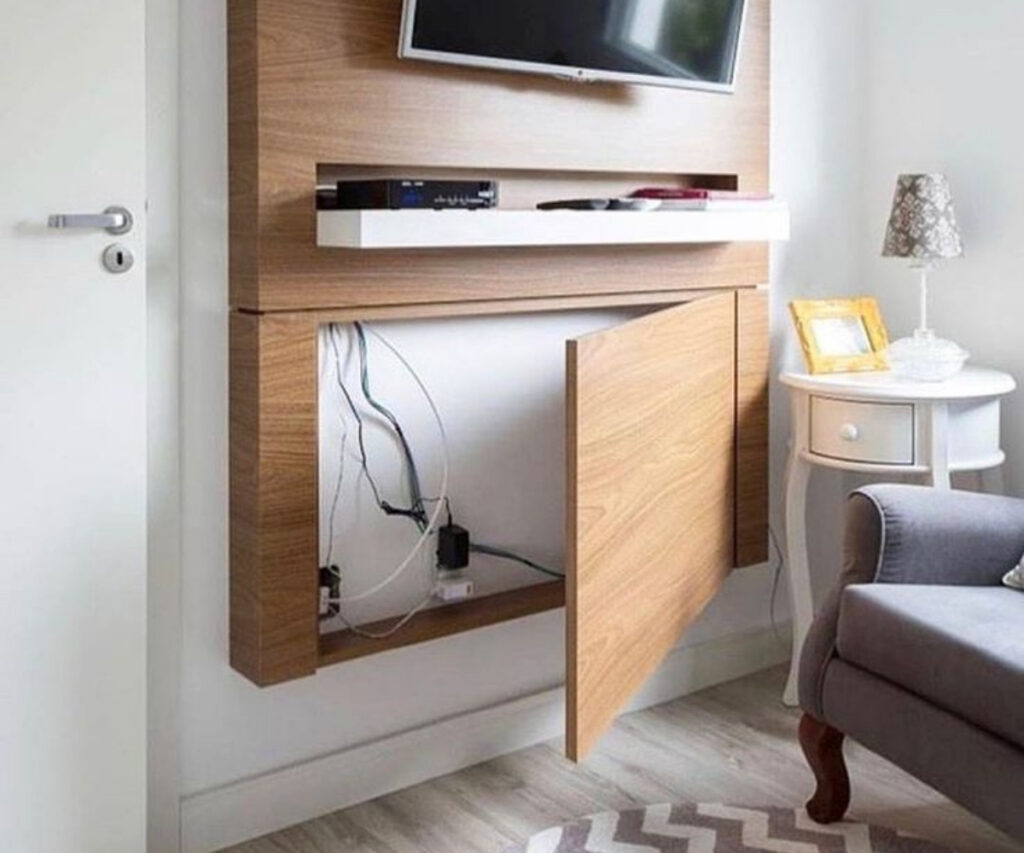
Simple and Stylish Ways to Hide Wires from Walls Exposed wires and tangled cords can quickly make a space look cluttered and chaotic. From TVs and gaming consoles to routers and chargers, it’s easy for cables to get out of control. Fortunately, hiding wires doesn’t have to involve major renovation. With a few smart tricks, you can conceal them neatly and add to the aesthetics of your room. Here’s a practical guide on how to hide wires from walls without damaging them. 1. Attach Cords Behind Furniture Use existing furniture to conceal clusters of wires. Place cords behind bookshelves, dressers, or TV units, and secure them along the edges or backs of these pieces. For a more polished look, use adhesive hooks or clips to keep them in place. Adding a decorative basket or floor lamp nearby can also help mask the area and prevent cables from being visible or causing tripping hazards. 2. Route Wires Behind a Wall Panel or TV Stand A wooden back panel or a wall-mounted TV unit with built-in cable routes is an elegant solution. These panels allow you to tuck away all your wires and mount the TV neatly, giving your wall a clean, clutter-free look. While it might involve a slightly higher budget, it’s a stylish and long-lasting method to manage wires without cutting into the wall. 3. Use Cable Sleeves for a Clean Finish Cable sleeves are a budget-friendly and effective way to bundle wires together and keep them discreet. Available in various colors and materials, they can either blend in with your décor or add a pop of color. These sleeves are perfect for running wires along walls, under furniture, or even across floors, providing a sleek and organized appearance. 4. Secure with Zip Ties or Binder Clips Group loose cords together using zip ties or binder clips. This simple technique helps reduce visual clutter and prevents cords from tangling. Once bundled, you can place them behind furniture or hide them behind indoor plants or decorative pieces. Using white or neutral-colored zip ties helps them blend in with the wall or baseboards. 5. Organize with a Cable Management Box For areas where you have multiple devices—like routers, extension cords, or chargers—a cable management box is a smart storage option. These boxes keep cords, surge protectors, and adapters out of sight while maintaining accessibility. Choose a design with side openings or ventilation slots to ensure proper cable routing and heat dispersion. Final Thoughts Hiding wires is not just about visual appeal—it also enhances safety and functionality. Whether you’re dealing with a media center or home office setup, there are several easy and creative ways to manage your cables. With a little planning and the right accessories, you can keep your space neat, modern, and free of tangled cords.

Interior

Smart Small Bathroom Organization Ideas to Maximize Space and Style

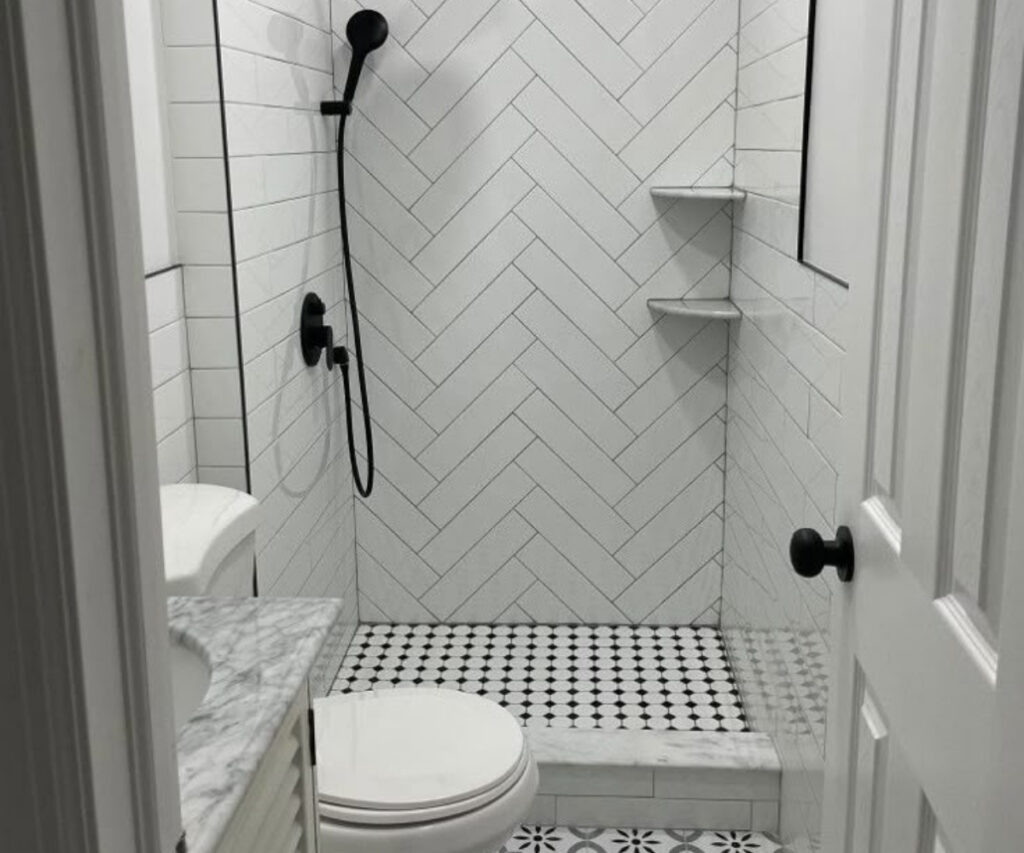
How to Organize a Small Bathroom and Make the Most of Your Space Small bathrooms can feel limiting—but with the right layout, smart storage, and a few design tricks, even the tiniest space can become functional and stylish. Whether you’re planning a renovation or just need to reorganize, here are some useful ideas to make your compact bathroom work beautifully for you. 1. Skip the Bathtub to Save Space Bathtubs, while luxurious, consume a significant amount of floor area. Replacing the tub with a shower space and using a glass partition—without a bulky door—can make the bathroom feel more open and less congested. Combine this with smart storage tools like wall-mounted caddies, corner racks, or built-in shelves to keep essentials neatly in place and easily accessible. 2. Choose Mirrors and Lighting Wisely Mirrors can visually expand any small room, including a bathroom. Select a mirror with a unique shape or frame to add character while serving a practical purpose. Position it to reflect light and space. Add wall sconces or soft lighting above or beside the mirror to brighten the entire room. Good lighting makes a small bathroom feel warm and inviting. 3. Consider a Sliding Door for Efficiency Sliding doors are a smart space-saving option, especially for narrow bathrooms. Unlike traditional doors, they don’t need extra clearance to open, which helps you utilize more of your interior space effectively. With smooth gliding along a rail, they also provide easy access and modern appeal. 4. Use Wall Space for Storage Wall-mounted storage is essential in small bathrooms. Floating vanities, under-sink cabinets, and open shelving free up the floor while still offering plenty of storage for toiletries and linens. You can also add narrow shelves above doors or mirrors to use vertical space. Just ensure they don’t stick out too far or make the space feel crowded. 5. Create the Illusion of Space with Color and Continuity When working with limited square footage, color choices matter. Light and bright colors reflect more light and make the room feel larger. Using matching tiles for the floor and shower area helps maintain visual continuity, which enhances the sense of openness. Keep décor minimal to avoid visual clutter and emphasize clean lines and a cohesive palette. Final Thoughts Organizing a small bathroom isn’t just about squeezing things in—it’s about making intentional choices that improve comfort, functionality, and aesthetics. By rethinking the layout, using vertical space, and sticking to a light and unified color scheme, you can transform a small bathroom into a well-designed, relaxing space that meets all your needs.

Apartment, Residential Building

How to Make Bathrooms Safe for Elderly: Tips for a Senior-Friendly Space

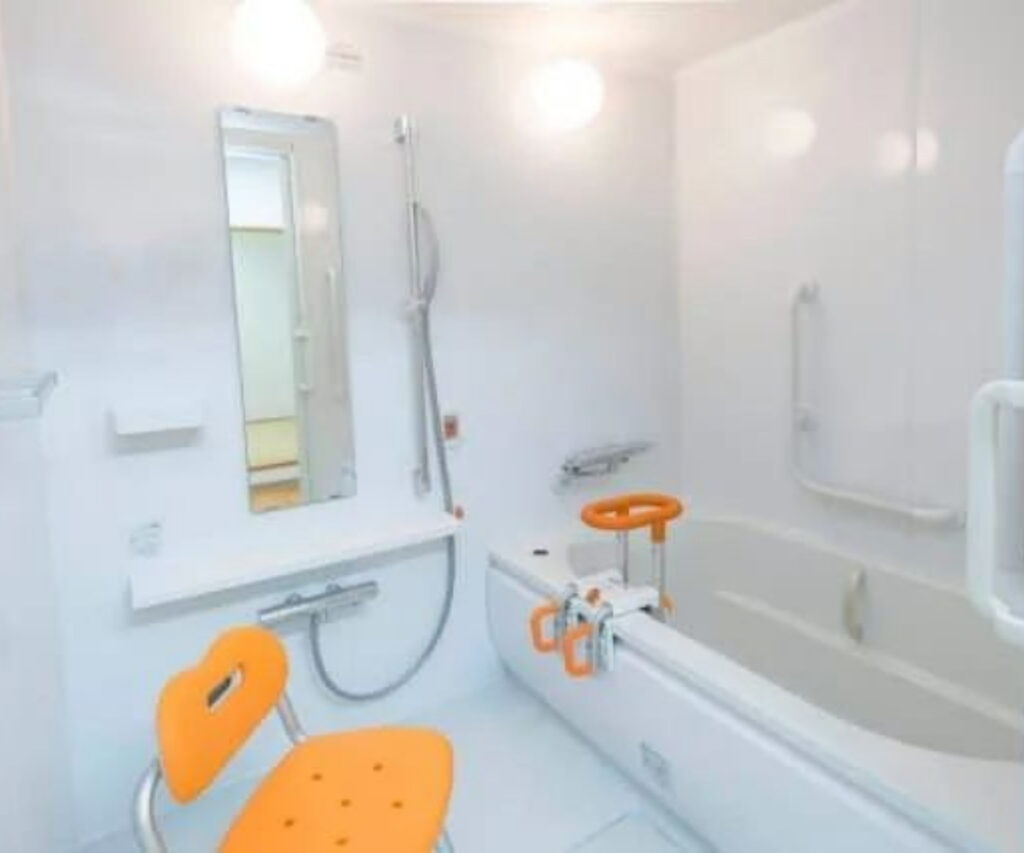
Essential Tips to Make Your Bathroom Safe for Elderly Family Members Bathrooms are among the most hazardous areas in a home, especially for elderly individuals. Slippery floors, tight corners, and poor visibility can significantly increase the risk of slips and falls. Fortunately, with a few thoughtful modifications, you can greatly enhance bathroom safety for seniors, promoting both comfort and independence. 1. Shower and Bathtub Safety Standing for long periods can be difficult for seniors, particularly those with mobility or balance issues. Here are a few key improvements: Shower Chairs: A sturdy shower chair with rubber-tipped legs provides a safe, non-slip seating option while bathing. Detachable Shower Heads: These allow individuals to remain seated while showering, reducing fatigue and fall risk. Grab Bars: Install stainless steel or aluminum grab bars at appropriate heights (typically between 1.10 to 1.30 meters) to assist with standing and balance. They should be securely bolted to support body weight. Space for Assistance: Ensure there is enough room in the shower for a caregiver if assistance is needed. 2. Toilet Accessibility and Lighting Easy Access to Essentials: Place soap, toilet paper, and other toiletries within easy reach. Use storage solutions that minimize the need to stretch or bend. Proper Lighting: Well-lit bathrooms reduce accidents. Install bright ceiling lights and night lights for evening use. Clear Labeling: Use large, legible labels on items to help seniors with impaired vision quickly identify what they need. 3. User-Friendly Sinks and Fixtures Sensor Taps: Motion-sensor faucets are easier to operate for those with arthritis or limited hand strength. Emergency Access: Consider installing a wall-mounted phone or emergency call button in the bathroom in case of a fall. Smart Layout: Ensure all fittings are positioned for ease of use—avoid sharp corners and install hardware at accessible heights. 4. Safe and Slip-Resistant Flooring Bathroom floors are naturally slippery, especially when wet. Take these precautions to avoid slips: Non-Slip Mats: Place rubber-backed, anti-slip mats both inside and outside the shower, near the toilet, and at the bathroom entrance. Non-Slip Flooring Options: Consider installing rubberized flooring, textured tiles, or epoxy coatings that provide better grip. Doormats: Use absorbent mats at the entrance to keep feet dry before stepping onto smooth flooring. Conclusion Making a bathroom safe for elderly family members doesn’t have to involve a complete renovation. Small but thoughtful upgrades—like grab bars, non-slip mats, and proper lighting—can go a long way in preventing accidents and offering peace of mind. These changes not only help seniors maintain their independence but also make caregiving safer and more manageable.

Interior

How to Design a Safe and Comfortable Room for Elderly Parents: Practical Tips & Ideas

Designing a Comfortable and Safe Living Space for Elderly Parents As parents age, their comfort, mobility, and safety become top priorities in home design. Creating a room tailored to their specific needs not only supports their independence but also enhances their overall well-being. Here are some essential tips to help you design a warm, accessible, and secure space for your elderly parents. 1. Focus on Safety First The foundation of a senior-friendly room begins with safety. Ensure the flooring is slip-resistant—opt for vinyl, cork, or textured tiles, and avoid loose rugs or clutter that can lead to trips and falls. Install grab bars in key locations like the bathroom and beside the bed to aid movement. Replace platform beds with slightly elevated beds (around 25 inches high), making it easier to get in and out. Choose a height that suits your parents’ specific needs for comfort and stability. 2. Ensure Easy Accessibility The room should be arranged to accommodate mobility aids such as walkers or wheelchairs. Keep doorways wide, and ensure essential items are within arm’s reach. Avoid high cabinets and deep drawers. Organize the room layout to reduce the need for frequent movement—group together furniture and storage thoughtfully. 3. Choose Supportive and Practical Furniture Select furniture that is sturdy, supportive, and easy to use. Chairs should have firm cushions, high backs, and armrests. Electric recliners can offer added comfort and assistance. Avoid furniture with sharp edges—rounded corners are safer. Keep the layout spacious, avoiding clutter or excess decor that could become an obstacle. Include a bedside table with drawers for medications and an easily accessible reading lamp. 4. Enhance Lighting and Visibility Vision tends to decline with age, so good lighting is essential. Use a mix of natural light and artificial lighting, such as overhead lights, table lamps, and task lighting. Install nightlights or guide lights along the path to the bathroom to make nighttime navigation easier. Choose colour contrasts—like dark furniture against lighter walls—to improve depth perception and visual clarity. 5. Create a Calm and Inviting Ambience Choose soft, neutral tones for walls and furnishings to create a peaceful, relaxing atmosphere. Avoid loud patterns or overwhelming prints. Use blackout curtains or adjustable blinds to control natural light. Add cozy touches like soft bedding, pillows, and warm blankets. These small comforts can make a big difference in their quality of rest. 6. Modify the Bathroom for Safety and Comfort Bathrooms can pose significant risks if not designed with care. Use non-slip mats and consider adding a walk-in shower or bathtub with a handheld showerhead. Install grab bars and a raised toilet seat for easier use. A foldable shower seat or stable wooden bench can also be helpful. Ensure surfaces are free of sharp edges and easy to clean. 7. Incorporate Helpful Smart Features Technology can provide added convenience and peace of mind. Consider voice-controlled lights, smart thermostats, or emergency call buttons. Motion sensor lights are especially useful at night. These features allow for more independence and can be easily tailored to your parents’ preferences. Final Thoughts Designing a room for elderly parents involves more than just aesthetics—it’s about understanding their physical limitations and emotional needs. By prioritising safety, accessibility, comfort, and a soothing atmosphere, you can create a nurturing space that helps them live more independently and comfortably. If needed, you can always consult a design professional who specialises in age-friendly interiors to further personalise the room.

Interior

14 Bedroom Essentials You Need for a Cozy and Stylish Retreat

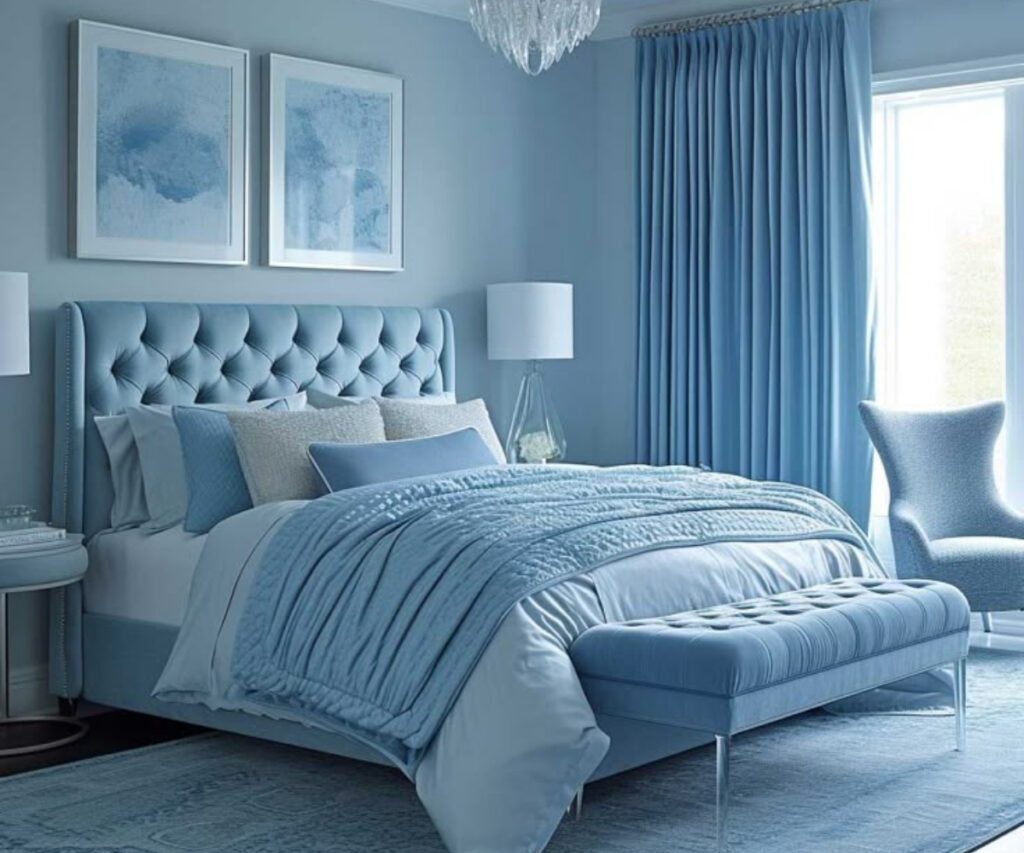
14 Must-Have Bedroom Essentials for a Comfortable and Stylish Space The bedroom is more than just a place to sleep—it’s your sanctuary, a personal space where your day begins and ends. Whether you’re designing a new room or revamping an existing one, certain essentials help make this space functional, cozy, and reflective of your personality. From practical furniture to thoughtful accents, here are 14 must-have bedroom essentials that elevate both comfort and style. 1. Bedside Tables Often overlooked, bedside tables are incredibly useful. Positioned on either side of the bed, they offer storage and provide a convenient spot for items like your phone, alarm clock, water bottle, and reading glasses. Choose ones with drawers or shelves to keep clutter out of sight, and select finishes and styles that complement your bed and overall theme. 2. Lamps and Layered Lighting Lighting sets the mood in any room, and the bedroom is no exception. A mix of ambient (ceiling lights), task (reading lamps), and accent lighting (wall sconces or LED strips) allows you to adjust the atmosphere. Dimmable lights add flexibility, and bedside lamps are a great choice for late-night reading or a soft glow before sleep. 3. Comfortable Mattress A good mattress can make or break your sleep quality. Whether you prefer a soft, firm, or medium-feel mattress, choose one that suits your body’s needs. Options include memory foam, innerspring, latex, or hybrid mattresses. Don’t hesitate to try a few in-store or opt for brands that offer trial periods, allowing you to test comfort over time. 4. Full-Length Mirror A full-length mirror is a practical addition that serves dual purposes: function and style. Perfect for dressing and grooming, it also reflects light and gives the illusion of a more expansive room. Whether freestanding or wall-mounted, a mirror can also become a statement piece in your bedroom décor. 5. Area Rug A rug adds instant warmth and softness underfoot, especially if you have hardwood or tiled floors. It defines the sleeping area and adds color, texture, or pattern to the space. Choose one large enough to fit under the bed and extend outward, or layer smaller rugs for a cozy, layered effect. 6. Wall Decor Your bedroom walls are a blank canvas for personal expression. Wall art, framed photographs, tapestries, or even DIY installations can bring character and visual interest. The right wall decor not only fills empty spaces but also creates a relaxing or inspiring environment that resonates with your style. 7. Dresser or Chest of Drawers Essential for organizing clothes, accessories, and linens, a dresser adds both storage and structure to your bedroom layout. Look for styles that balance aesthetics and practicality—whether it’s a sleek, modern chest or a vintage wooden piece. The surface also offers space to display decor, perfumes, or a jewelry box. 8. Quilt or Comforter A comfortable quilt or duvet is key for a restful night’s sleep. It provides warmth, softness, and a touch of luxury. Layer your bed with a cozy comforter during winter and switch to a lightweight quilt in the summer. Play with textures, colors, and patterns to create an inviting and stylish bedscape. 9. Floating or Wall-Mounted Shelves Floating shelves are perfect for smaller bedrooms or for keeping floors clear. Use them to display books, photos, or small plants. They enhance the visual design of your room while offering functional storage for essentials or decor. Floating shelves can be arranged creatively to suit any layout. 10. Storage Solutions A clutter-free bedroom is more peaceful. Invest in smart storage solutions like under-bed bins, baskets, or ottomans with hidden compartments. A storage bench at the foot of your bed can hold blankets or shoes, while wall hooks or over-the-door organizers maximize vertical space. 11. Throw Pillows and Comfortable Sheets Throw pillows add charm and comfort, and can easily change the mood of your room. Play with shapes, textures, and colors to style your bed. Pair them with quality bed sheets made from breathable fabrics like cotton or linen—comfort and softness make a big difference in your sleep experience. 12. Curtains or Blinds Window treatments are essential for privacy, light control, and ambiance. Blackout curtains are ideal for blocking early morning sun, while sheer curtains soften daylight for a dreamy look. Choose fabrics and colors that suit your decor and consider layering blinds and drapes for both function and elegance. 13. Indoor Plants Adding greenery to your bedroom can uplift the space instantly. Plants purify the air, reduce stress, and bring natural beauty indoors. Easy-to-care-for varieties like snake plant, pothos, or peace lily work well in bedrooms. Place them on windowsills, shelves, or in hanging pots to bring life into the room. 14. Bed Frame A strong and stylish bed frame anchors the room. It holds your mattress securely and adds visual impact. Whether you prefer a minimal metal frame, a wooden platform, or an upholstered headboard, the bed frame contributes to both comfort and aesthetics. Choose one that suits your needs, space, and decor theme. Final Thoughts Designing a well-balanced bedroom is about combining practicality with personality. Each of these essentials helps transform your space into a haven of rest and relaxation. While your preferences may evolve over time, having a thoughtful foundation will make your bedroom both beautiful and deeply functional. Take your time selecting pieces that suit your style and lifestyle—you’ll thank yourself every time you walk into your room.

Call Now Button