Author name: Alakar Thirupathi Builders

Commercial Building, Residential Building

Farmhouse vs Villa: Which One Should You Choose for Lifestyle and Investment?

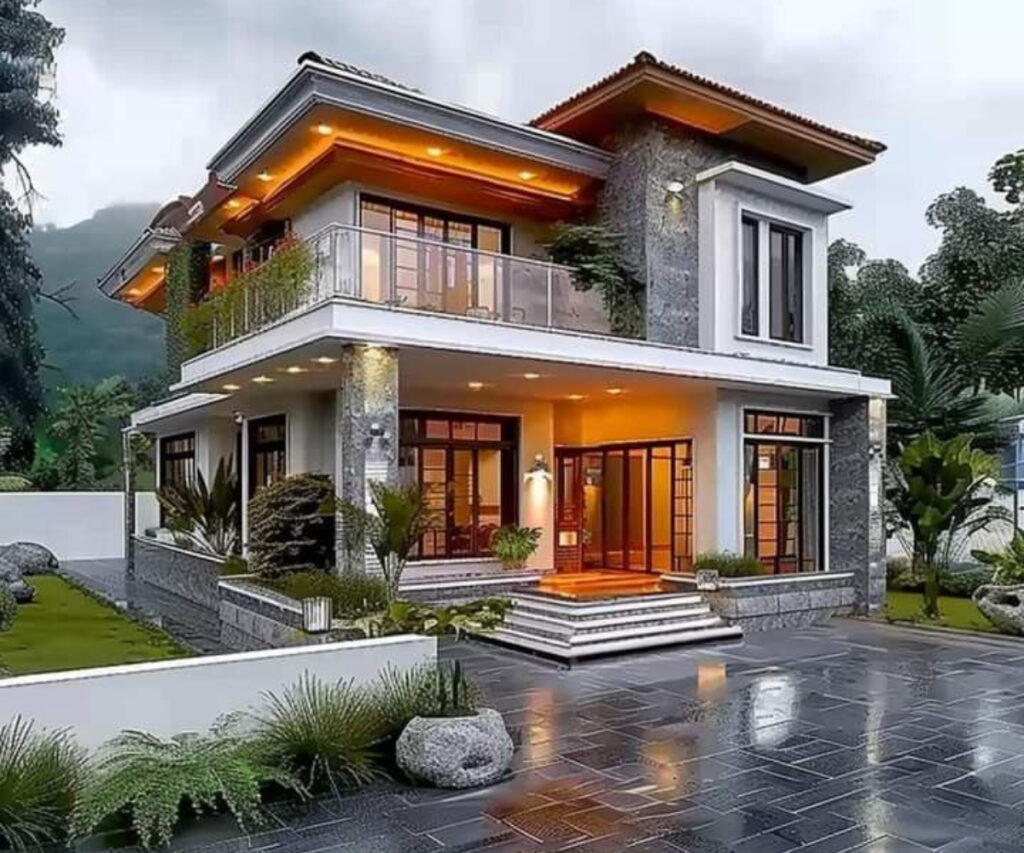
Choosing Between a Farmhouse and a Villa: Lifestyle or Investment? In today’s fast-paced world, choosing the right home means finding a space that aligns with both your lifestyle and investment goals. While farmhouses offer a peaceful retreat surrounded by nature, villas provide modern comfort in well-connected urban environments. But which one is best for your needs—daily living or long-term investment? Let’s explore the differences, benefits, and drawbacks of both options to help you decide wisely. What Defines a Farmhouse? A farmhouse is a residential property usually located in rural or semi-rural areas, often surrounded by greenery or agricultural land. Originally intended for farmers, these homes are now favored by those looking for a quiet escape from city life. They are commonly used as vacation retreats, retirement homes, or wellness getaways. Key Features: Located on the outskirts of cities or in villages Built on large plots, often with gardens or farmland Designed in a rustic, nature-friendly style Can be used for agritourism, homestays, or farming income What Makes a Villa Unique? A villa is a luxurious, independent home usually found in cities, suburbs, or gated communities. Villas are associated with upscale living, modern amenities, and privacy within a secure, managed setting. They are ideal for families and professionals looking for comfort and convenience. Key Features: Located in urban or suburban areas Modern design with premium features like pools or smart tech Part of gated communities with shared amenities High resale value and strong rental demand Farmhouse vs Villa: A Quick Comparison Table Factor Farmhouse Villa Location Rural or outskirts, surrounded by nature Urban or suburban, often in gated communities Plot Size Large, open space with farming or gardens Smaller plots with private gardens or patios Architecture Rustic and natural Modern and luxurious Cost Lower land cost, higher maintenance High initial cost, lower maintenance Lifestyle Peaceful, nature-focused, more private Convenient, secure, and connected ROI Income from tourism/farming, slower appreciation High resale value and rental demand Security Basic, unless upgraded Advanced with surveillance and gated access Why Choose a Farmhouse? Key Advantages Spacious and Private: Farmhouses are built on large plots, offering ample space for outdoor living, gardening, or recreation. Closer to Nature: Surrounded by greenery, they offer fresh air, scenic views, and a peaceful atmosphere ideal for relaxation. Lower Initial Investment: In many regions, farmland or semi-urban plots are more affordable than city properties. Extra Income Potential: Convert your farmhouse into a farm stay, wellness center, or vacation rental for passive income. Custom Lifestyle: Ideal for organic farming, pet keeping, or creative hobbies like pottery or painting. What Are the Limitations of Farmhouse Life? High Maintenance: Requires constant upkeep, especially for larger land areas or if used for farming. Fewer Amenities Nearby: Access to hospitals, schools, or markets may require long travel. Security Concerns: Remote locations can be more vulnerable unless secured with fences, CCTV, or guards. Construction Challenges: Requires expert planning, legal clearances, and utilities setup. Top Benefits of Owning a Villa Modern Amenities: Access to clubhouses, swimming pools, landscaped parks, and smart home systems. Better Security: Gated entries, 24/7 guards, and surveillance systems ensure safer living. Urban Connectivity: Proximity to hospitals, schools, malls, and offices makes life easier. High Rental Returns: Villas attract premium tenants and offer better rental income, especially in metropolitan areas. Low Maintenance: Many villa communities have maintenance services for landscaping and repairs. Are There Any Downsides to Villas? Expensive to Buy: Villas command high prices due to location and luxury features. Less Outdoor Freedom: Smaller garden spaces, limiting large-scale gardening or outdoor activities. Privacy Limitations: Shared walls or proximity to neighbors may reduce solitude. Limited Personalisation: Buying a ready-made villa may restrict floor plan customization. Farmhouse vs Villa: Cost and Maintenance Analysis Farmhouses: Lower cost per square foot, but high ongoing costs for upkeep and security. Ideal for those with long-term vision and self-sufficiency. Villas: Higher initial purchase cost, but better-managed maintenance and greater convenience. Perfect for hassle-free luxury living. Which Property Offers Better ROI – Farmhouse or Villa? Farmhouses: Good for long-term gains and rental income through tourism or eco-stays. Villas: Faster appreciation, easier to sell or rent in high-demand urban markets. Which Is Better for Everyday Living? Choose a Farmhouse if: You value peace, greenery, and organic living You’re retired, a nature lover, or a remote worker seeking quiet You prefer large open spaces over urban convenience Choose a Villa if: You want modern comforts with minimal upkeep You live with family and need access to schools, offices, and hospitals You seek a premium lifestyle with added security and amenities Farmhouse or Villa: Which Suits You Best? Choose for a Farmhouse if: You are okay with slower appreciation You aim to generate income through tourism or retreats You’re looking to diversify your investment portfolio Choose for a Villa if: You want faster ROI You plan to rent or resell in a competitive urban market You prefer liquid assets with strong demand Final Thoughts: Making a Smart Real Estate Decision The choice between a farmhouse and a villa depends entirely on your lifestyle and financial goals. Farmhouses offer serenity, space, and nature, ideal for those wanting a peaceful escape or an income-generating getaway. Villas provide luxury, convenience, and security in well-connected areas, perfect for modern families and investors. Before making a decision, evaluate your priorities—whether it’s daily comfort, rental potential, or long-term value—and consult a property expert if needed. Both options have their strengths; the better one is the one that suits you.
Interior, Residential Building

Smart Small House Plans – Stylish & Efficient Home Designs for Modern Living

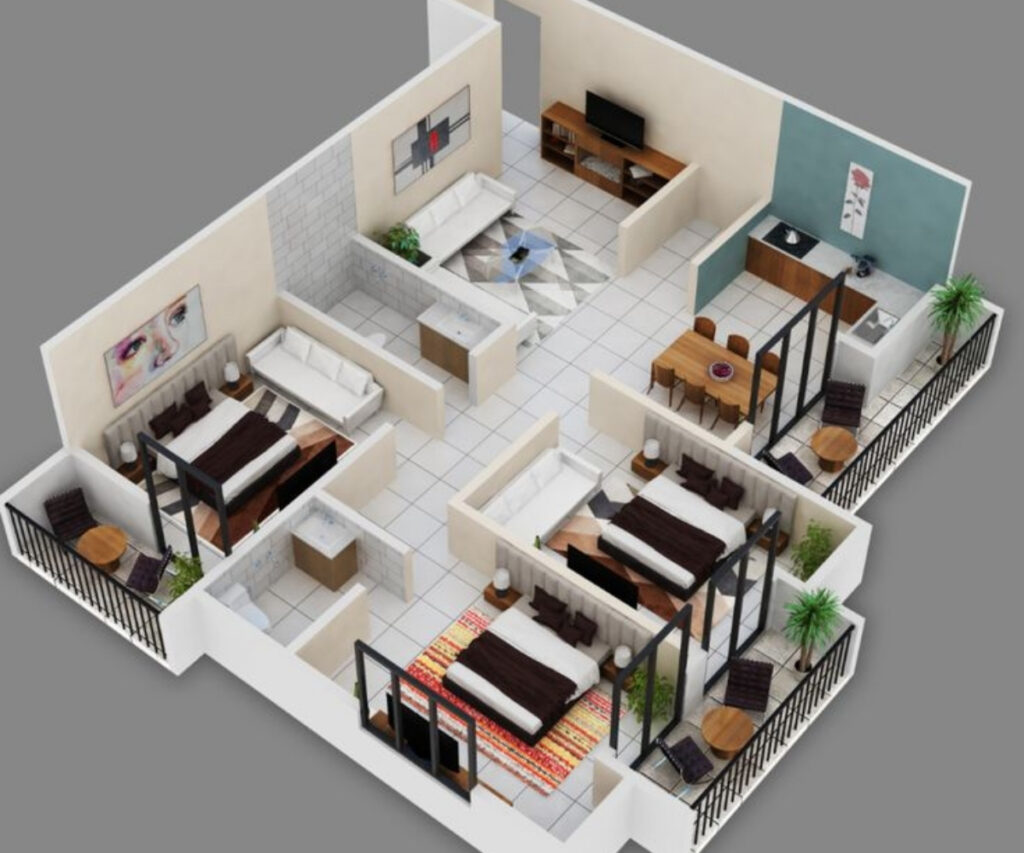
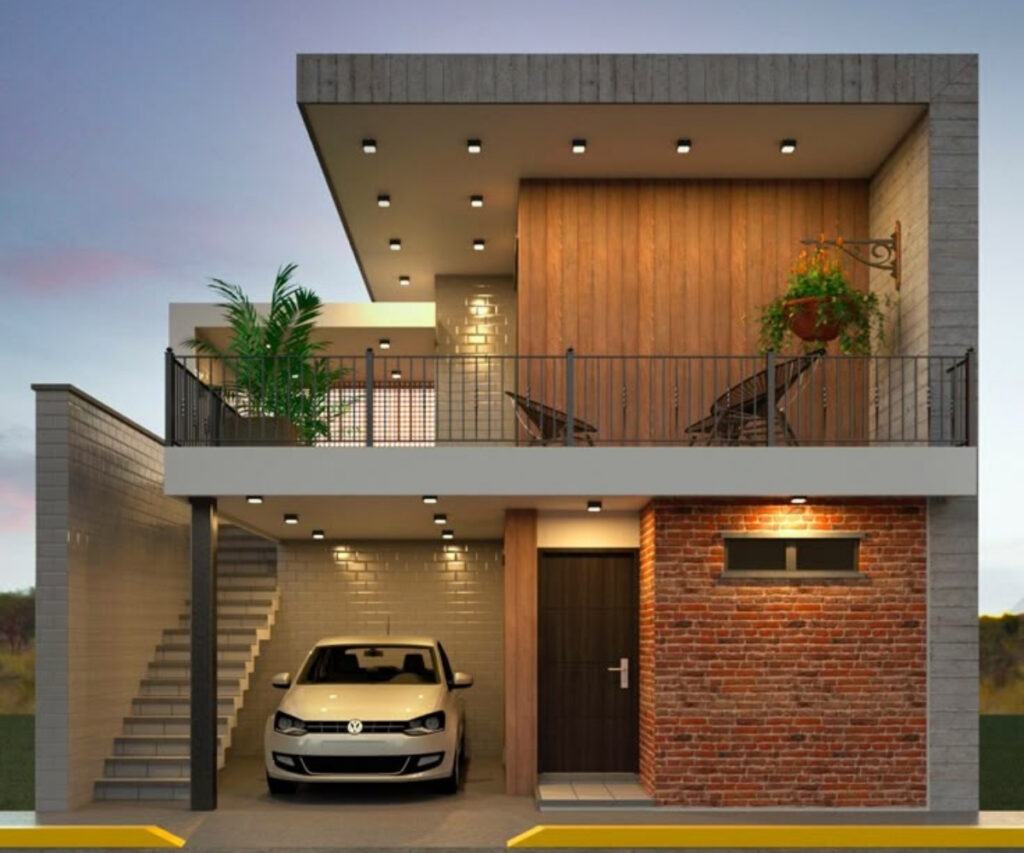
Smart & Stylish Small House Plans for Modern Living Maximize comfort, style, and efficiency—even in limited space. Whether you’re dreaming of a cozy 2-bedroom home, an ultra-functional tiny house, or a smart 2-story design, the right house plan can transform a compact footprint into a beautiful, livable space. Why Small House Plans Make Sense Today In today’s world, smaller homes are not just a trend—they’re a practical solution for affordable and sustainable living. Here’s why small house plans are gaining popularity: 1. Budget-Friendly Living Smaller homes are more cost-effective to build, furnish, and maintain, making them ideal for first-time buyers, young couples, and downsizers. 2. Maximum Space Utilization Thoughtful layouts ensure that every square foot is used wisely, offering comfort without clutter. 3. Eco-Conscious Design With reduced energy use and fewer building materials, small homes support a more sustainable and environmentally friendly lifestyle. 4. Flexible for Any Location From quiet rural plots to bustling urban neighborhoods, small house plans can be customized to fit various environments. 5. Easier Upkeep Less area means less cleaning, fewer repairs, and more free time to enjoy your home. Key Features of a Well-Designed Small Home A compact space doesn’t have to feel cramped. Here are the essential elements that make small house plans efficient and inviting: 1.Open Floor Concepts Combining living, dining, and kitchen areas creates a seamless, spacious flow throughout the home. 2.Multipurpose Rooms Flexible spaces allow rooms to serve more than one purpose—such as a guest room that doubles as a home office. 3.Smart Storage Solutions Crative storage ideas like under-stair compartments, built-in shelves, and multifunctional furniture keep clutter at bay. 4.Natural Light Maximization Large windows, skylights, and glass doors brighten interiors and give the illusion of more space. 5.Indoor-Outdoor Living Balconies, patios, or small gardens expand the usable area and create a closer connection to nature. Sample Small House Layout: Compact 2-Bedroom Design Here’s an example of a well-planned 2-bedroom small house that combines style and functionality: Plan Specifications: Total Area: 800–1,000 sq. ft. Bedrooms: 2 Bathrooms: 1 or 2 (optional en-suite) Stories: Single or double-story options Layout Overview: Living Room (12′ x 14′)Open design connected to dining area, with ample natural light and smart furniture placement. Kitchen (8′ x 10′)Compact modular layout with attached utility area for laundry or pantry use. Master Bedroom (12′ x 12′)Spacious with optional en-suite and built-in wardrobes. Second Bedroom (10′ x 10′)Ideal for children, guests, or as a home workspace. Outdoor SpacesA cozy front porch (6′ x 10′) and a backyard patio or green area for relaxation. Optional AdditionsSecond floor for extra rooms, or duplex adaptation for extended families or rental income. Tiny House Plans: Maximum Efficiency in Minimum Space For minimalist living, tiny houses (400–600 sq. ft.) offer compact comfort through intelligent design: Convertible furniture and built-ins Loft-style sleeping to save floor area Multifunctional spaces for dining, working, and relaxing Sustainable building materials and practices 2-Bedroom House Plans: Compact Yet Comfortable Perfect for couples, small families, or retirees, 2-bedroom plans provide: A private master bedroom A secondary room for guests or hobbies An integrated living and dining area A functional kitchen and bathroom Two-Story Small Homes: Space-Smart Solutions For narrow or smaller plots, going vertical adds flexibility without expanding the footprint: Ground floor for social areas Upper floor for privacy and rest Stairways with storage underneath Extra rooms for home offices or play zones Duplex House Plans: Dual Purpose Designs Want to house multiple generations or generate rental income? Duplex designs offer: Two independent living units under one roof Cost savings on construction and land Privacy for both families or tenants Versatility in layout and customization Simple House Plans: Practical and Elegant Not every home needs intricate designs. Simple house plans focus on functionality and ease of building: Minimal partitioning for a spacious feel Basic but effective kitchen and bath layouts Single-level design for easy accessibility Ideal for rural homes, weekend retreats, or budget builds Conclusion: Small Can Still Be Stunning Small house plans represent a smart way to live with intention—focusing on quality, comfort, and simplicity. Whether you’re downsizing, building your first home, or creating a vacation retreat, smart design ensures that your space feels spacious, stylish, and uniquely yours. Start your journey toward compact living today with the perfect plan that matches your lifestyle and dreams.

Residential Building

Vastu Tips to Maximize Natural Light in Your Home for Positive Energy & Wellness

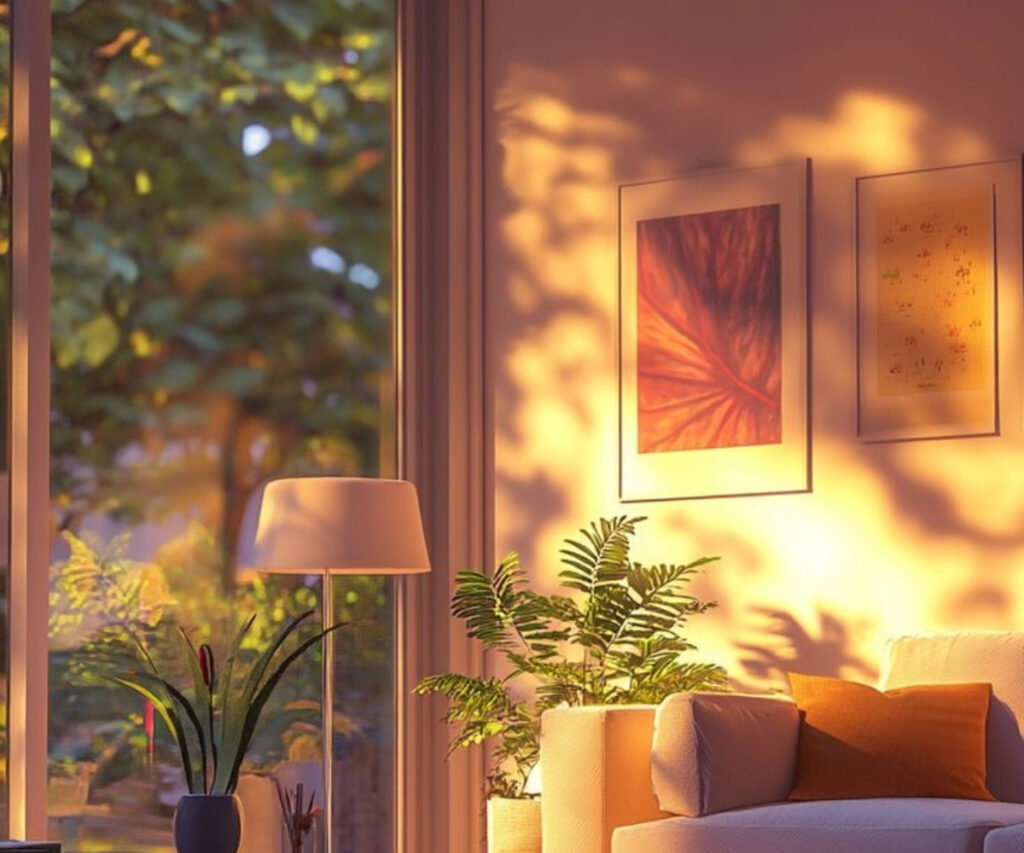
Welcome the Sun: Why Natural Light Matters Starting your day with natural sunlight uplifts your mood, boosts energy, and enhances focus. Vastu Shastra emphasizes the flow of natural light as a source of health and positivity in the home. Ideal Window Placement: Let the Light In Install windows in the east or north to capture early and gentle sunlight. Avoid placing large openings on south and west walls to reduce heat buildup and maintain energy balance. Choose Airy Drapes: Lighten Up with Fabric Use sheer or light-colored curtains that let in plenty of sunlight. Skip dark, heavy drapes that block energy flow and create a dull atmosphere. Maintain Clear Glass: Clean for Clarity Regularly clean windows and glass doors to avoid dust build-up that restricts light. Clear panes help brighten interiors and invite vibrant energy into the space. Mirror Magic: Multiply Your Light Strategically place mirrors opposite windows to reflect sunlight deeper into the room. Glossy finishes on tiles, décor, or furniture also amplify natural illumination. Wall Colors That Shine: Reflect, Don’t Absorb Opt for light shades like white, beige, or pastel tones that bounce light around. Avoid dark hues, which absorb light and make rooms feel more confined. Clear the Path: Remove Light Blockers Don’t block windows with bulky furniture, thick indoor plants, or shelves. Prune trees or outdoor plants that cast shadows and block direct sunlight. Design with Nature: Vastu’s Holistic Approach Incorporate open layouts, glass doors, or skylights to allow the sun’s rays inside. Vastu supports alignment with natural elements, which strengthens positivity in daily life. Vastu FAQs: Your Light-Related Questions Answered 1.What does Vastu say about natural light? Vastu regards natural light as a source of cosmic energy. Proper access to sunlight improves mental clarity, emotional well-being, and spiritual growth. 2.Where should windows and doors be positioned? Vastu suggests placing larger windows in the east and north to allow sunlight to enter throughout the day and nourish your space with energy. 3.How can I increase light naturally using Vastu tips? Follow directional guidelines, choose reflective surfaces and colors, and ensure unblocked openings to create a home that’s open, radiant, and aligned with positive energy. Conclusion: Light Up Your Life with Vastu Wisdom Designing your home to welcome natural light not only brightens your surroundings but also brings in harmony, happiness, and health. Follow these Vastu-inspired practices to create a living space that radiates with vitality and peace.

Apartment, Commercial Building, Residential Building

Property Valuation Guide: Key Factors, Methods & Tips to Maximize Property Value

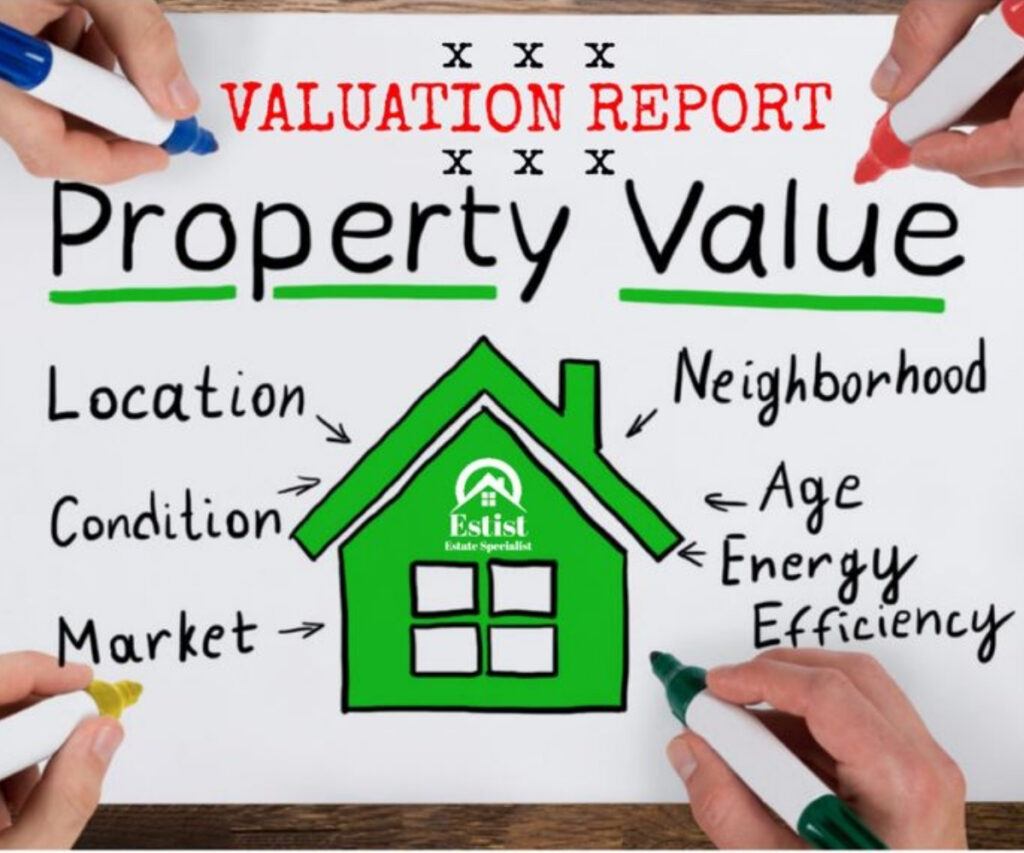
Understanding Property Valuation Property valuation is the professional process of determining the fair market value of a property. It is carried out by certified valuers who assess key factors such as location, property condition, size, facilities, and prevailing market trends. A proper valuation provides buyers, sellers, investors, and banks with clarity and confidence in real estate transactions. Why Is Property Valuation Necessary? Valuation plays a vital role in different real estate scenarios: For Buyers: Ensures you don’t overpay for the property. For Sellers: Helps set a realistic and competitive price. For Investors: Assists in evaluating potential returns. For Loans: Mandatory for mortgage approvals and refinancing. What Affects Property Valuation? 1. Location & Connectivity Properties in key or rapidly developing areas tend to have higher valuations. Proximity to schools, hospitals, transportation, and commercial hubs boosts demand. 2. Size and Layout Larger plot or carpet area increases value. An efficient floor plan layout that maximizes usable space adds more worth. 3. Physical Condition Age, structure quality, and ongoing maintenance directly influence valuation. Newer or renovated properties typically receive better estimates. 4. Amenities and Infrastructure Features like parking, security, elevators, clubhouses, and gardens enhance appeal. Upcoming projects like flyovers, metro stations, or malls in the vicinity can elevate value. 5. Market Dynamics Real estate cycles, seasonal trends, and regional planning policies affect property prices. High demand and limited supply areas naturally command premium valuations. Common Methods Used for Valuation Valuers may apply one or a combination of the following approaches: Sales Comparison Method: Compares similar recently sold properties nearby. Cost Approach: Calculates the cost of rebuilding the property minus depreciation. Income Approach: Used for rental/commercial properties; based on income potential. How to Increase Your Property’s Value Boosting property value doesn’t always require major construction. Consider these smart upgrades: Renovate high-traffic areas like kitchens or bathrooms. Enhance exterior appearance through fresh paint, lighting, or landscaping. Keep all legal documents and approvals updated and accessible. Highlight benefits like location advantages or future infrastructure plans. When Should You Get a Property Valuation? Prior to buying or selling a property While applying for home loans or refinancing For legal settlements (inheritance, divorce, tax filing) During investment planning or portfolio updates Build Smart with Alakar Thirupathi Builders At Alakar Thirupathi Builders, we combine construction expertise with real estate insight to deliver lasting value. Whether you’re developing a new home or maintaining an existing property, our experience in individual house construction ensures your investment is future-ready and aligned with market expectations. Final Words Property valuation is the backbone of any real estate decision—whether you’re buying, selling, investing, or applying for finance. With guidance from professionals like Alakar Thirupathi Builders, you can ensure your property journey is built on a solid foundation of knowledge and value.

Apartment, Residential Building

Vastu Tips for Balcony Design: Directions, Decor & Plants for Positive Energy

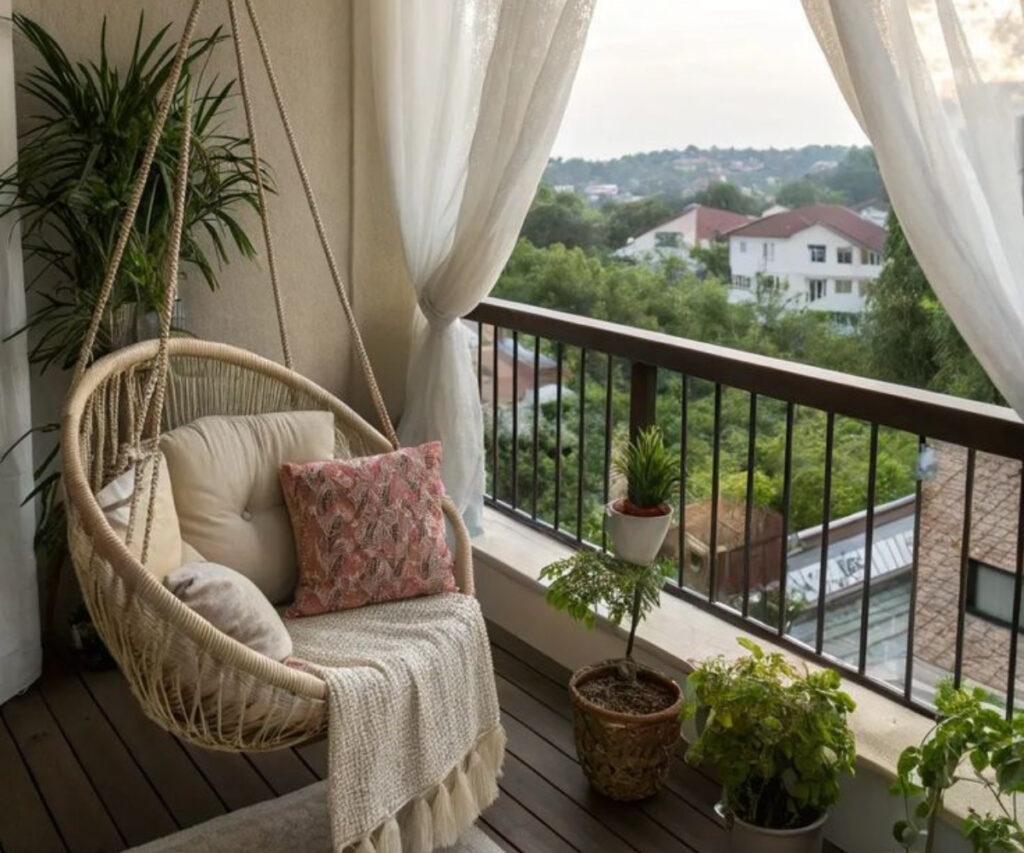
Vastu Tips for Designing a Harmonious Balcony A balcony is more than just an extension of your home—it’s a personal sanctuary that connects you with nature. According to Vastu Shastra, proper orientation and design of a balcony can channel positive energy into your home and life. This guide offers essential Vastu tips to help you create a vibrant and serene balcony space. Best Directions to Position Your Balcony Positioning the balcony in the north, east, or northeast is highly recommended in Vastu. These directions: Invite sunlight and fresh air, essential for good health and mood. Help maintain a natural energy balance within the home. Create an ideal setting for morning tea, meditation, or relaxation. Flooring and Water Drainage Essentials For effective energy flow and structural comfort: Ensure the balcony floor is slightly lower than the interior floor. Design the water slope towards the north or east to allow proper drainage and maintain harmony. Railing Design and Openness To keep your balcony light and inviting: Opt for sleek metal or wooden railings over solid walls or concrete blocks. Maintain a moderate railing height to allow airflow and an open view. Avoid enclosing the balcony completely, as it may obstruct energy movement. Arranging Furniture and Decorative Elements Thoughtful placement enhances the balcony’s positive vibe: Face seating towards the east or north to enjoy natural light and uplifting energy. Keep the layout minimal and clutter-free with lightweight chairs and tables. Add wind chimes, bells, or artwork in the northeast to elevate the ambiance. Plants that Attract Good Energy Plants bring life and healing energy to your balcony. Choose varieties that align with Vastu principles: Tulsi (Holy Basil): Fosters spiritual energy and air purification. Money Plant: Symbolizes growth and financial wellbeing. Bamboo: Brings tranquility and steady progress. Keep the plants healthy and well-watered, and place them in north or east corners for maximum effect. Lighting and Wall Colors for Peaceful Vibes Create a relaxing environment with the right lighting and color palette: Use soft yellow or warm white lights for a cozy glow. Paint balcony walls in light shades like off-white, soft green, or sky blue. Avoid dark or overly bright colors that may feel heavy or overstimulating. Things to Avoid on Your Balcony To maintain a flow of positive energy, steer clear of these common Vastu errors: Avoid balconies in the south or southwest as they may bring restlessness or instability. Do not store broken or unused items, which block energy and create stagnation. Avoid using bulky or dark furniture that may overpower the space. Final Thoughts: Bring Balance and Energy to Your Outdoor Space A Vastu-aligned balcony not only boosts your home’s aesthetics but also supports your emotional and physical well-being. By focusing on direction, openness, and natural elements, you can transform this space into a peaceful retreat filled with positive energy. Whether you’re building new or enhancing an existing one, let these principles guide your design choices for a brighter and more balanced home.

Interior

Textured Porcelain Tiles in Coimbatore – Slip-Resistant, Durable & Stylish Flooring

Transform Your Space with Textured Porcelain Tiles – A Safe, Stylish & Durable Choice for Every Room Flooring is a foundational element of interior design. It’s not just something we walk on—it defines the entire ambiance of a space. From comfort and style to safety and durability, every detail matters. Among the many flooring options available today, textured porcelain tiles are becoming a favorite choice for modern homes and commercial spaces in Coimbatore. Why? Because they offer exceptional slip resistance, long-lasting durability, and aesthetic appeal. Let’s dive deeper into why these tiles are worth considering. What Are Textured Porcelain Tiles? Textured porcelain tiles are crafted from refined clay and natural materials, fired at extremely high temperatures in a kiln. The result? A dense, hard tile that is resistant to wear and moisture. These tiles are then processed with various surface textures that resemble natural stone, wood, or other organic finishes. While porcelain and ceramic tiles may look similar at a glance, porcelain is the tougher and more water-resistant option—ideal for both indoor and outdoor use in Coimbatore’s diverse climate. Why Choose Textured Porcelain Tiles for Your Project? Visual Appeal Textured porcelain tiles beautifully mimic materials like limestone, concrete, or aged wood, making them ideal for spaces where a natural, earthy look is desired. The texture adds depth and visual interest, especially under different lighting conditions. Tactile Feel The tactile quality of these tiles makes walking barefoot on them a comfortable experience—ideal for areas like bathrooms, entryways, and wellness zones. Slip Resistance In wet and high-traffic areas, safety is critical. Textured porcelain tiles offer improved grip and are perfect for: Bathrooms Outdoor patios Poolside decks Commercial kitchens High Durability These tiles resist scratches, stains, and moisture, making them suitable for homes, offices, and commercial spaces. Their low-maintenance surface keeps them looking new for years. Where to Use Textured Porcelain Tiles Thanks to their versatility, textured porcelain tiles can be used in: Living Rooms: For a warm, stone-like ambiance. Bathrooms: For spa-like aesthetics and safety. Kitchens: Resistant to spills and easy to clean. Outdoor Patios: Withstand weather changes in Coimbatore. Commercial Spaces: Offer both style and practicality. Installation Tips Installing textured porcelain tiles involves similar steps as regular tiles but with a few additional considerations: Surface Prep: Ensure the area is clean and level. Dry Layout: Plan the layout to minimize cutting. Use the Right Adhesive: Opt for adhesives made for porcelain tiles. Proper Grouting: Apply and clean grout quickly from textured surfaces. Sealing (Optional): Tiles usually don’t require sealing, but the grout might benefit from it. Maintenance & Cleaning One of the biggest perks of textured porcelain tiles is easy maintenance: Sweep or vacuum weekly to clear dust from textured grooves. Mop with mild detergents—avoid harsh chemicals. Clean grout with a brush or mild grout cleaner. Wipe stains quickly with a porcelain-safe cleaner. These tiles are also a great option for allergy-prone homes due to their resistance to moisture, dust, and mold. Tips to Choose the Right Tile Choosing the right textured porcelain tile depends on: Location: Go for higher slip resistance in wet zones. Aesthetic: Pick natural stone or wood textures to match your style. Size & Shape: Larger tiles make small rooms feel bigger, while smaller tiles offer more design flexibility. Color Scheme: Stick to neutrals for timeless appeal, or go bold for a statement look. When in doubt, consider consulting an interior designer in Coimbatore for personalized advice. Conclusion Whether you’re renovating your home or planning a new space in Coimbatore, textured porcelain tiles offer an ideal blend of safety, durability, and design flexibility. Their natural textures, non-slip surfaces, and long-lasting strength make them a smart investment for both residential and commercial use. With the right tile selection and proper care, you can enjoy beautiful, resilient floors that elevate your space for years to come.

Commercial Building

Swimming Pool Construction in Coimbatore – Complete Guide for Homeowners

Everything You Need to Know About Building a Home Swimming Pool in Coimbatore Creating a beautiful swimming pool at home is more than just a luxury—it’s a lifestyle upgrade. Whether you’re looking for a calm oasis to unwind or a vibrant space for family gatherings, a thoughtfully constructed swimming pool can elevate the charm and functionality of your home in Coimbatore. Here’s a complete guide to help you navigate every aspect of swimming pool construction for homes. Why Build a Swimming Pool at Home? While swimming pools are often seen as luxury features, they offer substantial benefits beyond aesthetics and status. In Coimbatore, a city known for its warm climate, having a private swimming pool can significantly enhance your lifestyle. Physical & Mental Wellness: A home pool offers a full-body workout, improving flexibility, cardiovascular health, and aiding in recovery from injuries. Mentally, swimming helps relieve stress, boosts focus, and improves sleep. Social Value: A pool becomes a natural hub for gatherings and celebrations, offering a space where families and friends can bond and children can develop essential swimming skills. Property Appreciation: A well-maintained swimming pool adds tangible value to your home, especially in Coimbatore’s evolving real estate market. It’s a smart long-term investment that blends leisure with added asset worth. Things to Consider Before Constructing a Swimming Pool Before diving into pool construction, consider these crucial factors to ensure a smooth and sustainable outcome: 1. Climate and Weather Coimbatore experiences a hot and semi-arid climate, making it ideal for year-round pool usage. However, consider heat resistance, monsoon durability, and maintenance systems that suit the regional conditions. 2. Available Space and Landscaping Assess your available yard space and how it interacts with existing landscaping. The pool shape and size should complement your property’s layout and surrounding environment. 3. Lifestyle and Pool Purpose Whether for fitness, family recreation, or luxury aesthetics, define your primary goal. Your intended usage will influence the design, depth, additional features, and maintenance requirements. Types of Home Swimming Pools 1. In-Ground Pools The most durable and customizable option. These pools are embedded into the ground and offer endless design possibilities to suit both compact and large spaces. 2. Above-Ground Pools Cost-effective and quicker to install, above-ground pools are perfect for homes with limited space or those looking for temporary or seasonal pool setups. 3. Infinity Pools Ideal for properties on hillsides or with panoramic views, infinity pools deliver dramatic visual appeal by creating the illusion of water merging with the skyline. Swimming Pool Construction Process 1. Planning and Design Consult experienced architects or pool designers to draft detailed blueprints and 3D models that reflect your vision, lifestyle, and budget. 2. Permits and Legal Approvals Check with Coimbatore’s local municipal authorities regarding building permits, water usage regulations, and safety norms. Proper documentation ensures smooth execution. 3. Excavation This phase includes ground clearing and shaping the pool area using professional excavation machinery, adhering strictly to depth and layout specifications. 4. Foundation and Structural Reinforcement Reinforced steel and concrete footings are added for long-term durability. Plumbing and electrical groundwork is also laid during this stage. 5. Plumbing and Electrical Installation Pipelines, drainage, filtration systems, and electric wiring for lighting or heating units are installed according to safety standards and technical guidelines. 6. Pool Shell Construction Concrete Pools: Constructed with rebar framework and shotcrete or gunite applications for strength. Fiberglass Pools: Pre-molded shells lowered into the excavation and aligned precisely. Vinyl Pools: A frame-supported design using custom vinyl liners for flexibility and aesthetics. 7. Finishing and Decking This stage includes tiling, coping installation (edges), and building the deck around the pool using materials like natural stone, concrete, or pavers. Landscaping can also be added for aesthetic appeal. 8. Water Filling and System Testing After construction, the pool is filled and filtration systems tested. Water quality is adjusted for pH, chlorine, and cleanliness to ensure safety and comfort. 9. Startup and Maintenance Once operational, regular maintenance is key—this includes cleaning, chemical treatments, water level monitoring, and routine inspections of pumps and filters. Advantages of Having a Home Pool in Coimbatore Relaxation and Recreation: An everyday getaway in your backyard to unwind, refresh, and socialize. Health and Fitness: A convenient, low-impact workout solution for people of all ages. Property Value Enhancement: Adds appeal to your property, giving it an edge in Coimbatore’s growing residential market. Conclusion Constructing a swimming pool in Coimbatore brings unmatched joy, luxury, and practicality to everyday life. With careful planning, skilled design, and proper execution, your backyard pool can become the centerpiece of your home. Whether your vision includes a compact lap pool or a resort-style retreat, the right approach ensures a stunning result that brings value for years to come.

Commercial Building

Penthouse Construction in Coimbatore | Luxury High-Rise Living & Design

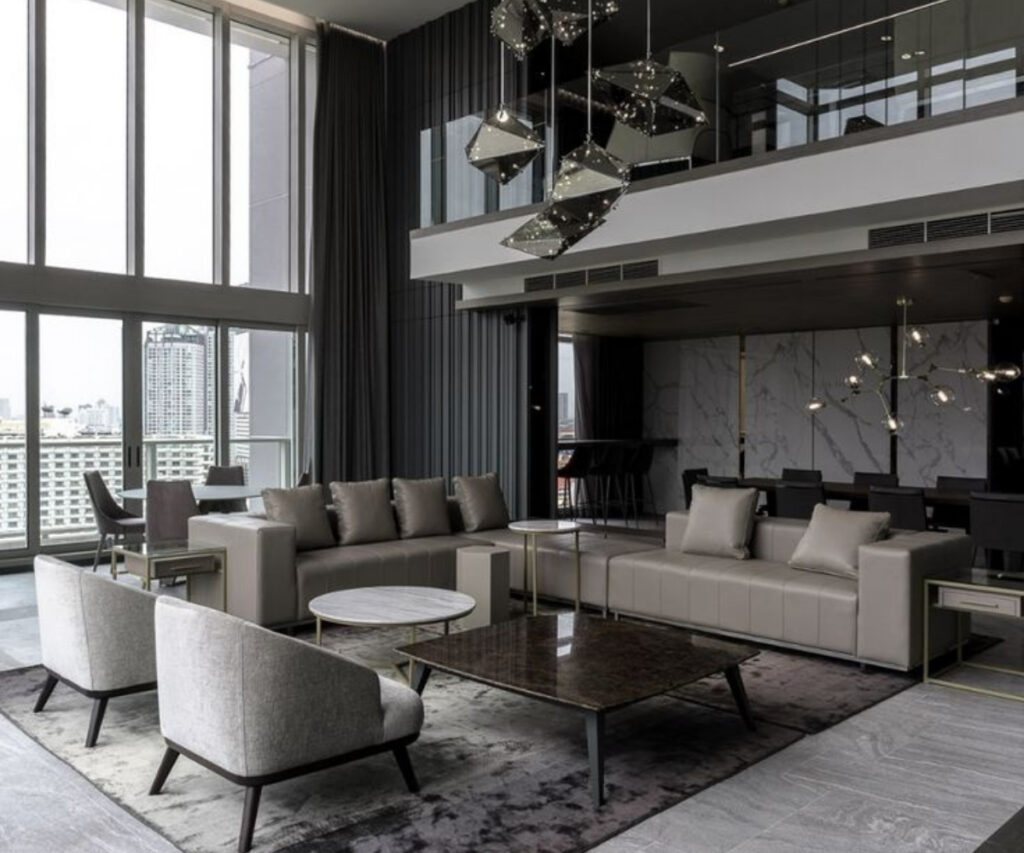
Experience Sky-Level Luxury with Penthouse Construction in Coimbatore A penthouse is more than just the top-floor apartment in a building—it’s the embodiment of elevated luxury living. Positioned at the summit of high-rise structures, penthouses offer expansive layouts, breathtaking panoramic views, unmatched privacy, and refined architectural design. Penthouse construction in Coimbatore blends sophisticated engineering, smart architecture, and bespoke interior aesthetics to deliver exclusive homes that offer both visual appeal and structural strength. From compact penthouse designs to sprawling luxury layouts, every project is a testament to functional elegance and design innovation. The Penthouse – More Than Just a Top-Floor Apartment The true essence of a penthouse lies in its lifestyle offering. High ceilings, private terraces, rooftop pools, smart-home features, and exclusive access set these spaces apart. In Coimbatore, where urban comfort meets scenic charm, penthouse construction is redefining what it means to live above the city. Engineering Excellence in Penthouse Construction Building a penthouse requires more than standard construction methods. It demands: Reinforced structural design to accommodate heavy loads such as terraces, pools, and luxury finishes Advanced waterproofing and thermal insulation for rooftop exposure High-end MEP (Mechanical, Electrical, Plumbing) systems for smart living Wind load and seismic resilience tailored for tall structures Construction practices in Coimbatore are evolving to meet these advanced requirements using high-performance concrete, precision tools, and next-gen techniques. Penthouse Design – Functional Elegance Whether it’s a cozy 2BHK penthouse or a multi-bedroom luxury suite, penthouse designs focus on: Optimal space utilization Seamless indoor-outdoor transitions Ample ventilation and daylight Aesthetics that match global standards Architects and structural engineers collaborate to ensure that every corner serves a purpose—without compromising on style or comfort. Design Inspirations from Around the World Modern penthouse architecture takes cues from global trends—be it New York’s skyline apartments or heritage-inspired European lofts. Even rooftop cafes and commercial spaces reflect how the top floor can become a serene, elevated haven. In Coimbatore, penthouse design adapts these global inspirations to local lifestyle needs, weather conditions, and cultural preferences, delivering homes that are elegant yet practical. Penthouses in Coimbatore – Living Above the City As Coimbatore grows vertically, the demand for penthouses is rising. These homes offer: Strategic locations with easy access to schools, hospitals, and shopping Eco-conscious features like cross-ventilation and natural cooling Compliance with all building and fire safety regulations For those searching for a “penthouse near me” or “top-floor premium flats in Coimbatore,” penthouses present the perfect blend of privacy, luxury, and connectivity. Key Facilities in Penthouse Living Modern penthouses are crafted with attention to every detail. Typical features include: Private rooftop gardens with drip irrigation systems High-speed elevators with restricted access Reinforced decks for pools or hot tubs Modular kitchens with integrated appliances Designer bathrooms and lighting Smart security systems and dedicated parking These additions turn everyday life into an elevated experience. Penthouse Design Trends in India Across India, penthouse living is becoming a symbol of prestige. In Coimbatore, penthouse design includes: Climate-responsive architecture Earthquake-resistant construction Vertical space maximization Personal privacy amid urban surroundings Each penthouse serves as a modern retreat in the sky—crafted with both style and sustainability in mind. Design Ideas and Visual Inspirations From minimalistic Scandinavian layouts to bold contemporary interiors, penthouses can be customized to reflect the owner’s taste. Design inspiration includes: Open-plan living with floor-to-ceiling windows Natural textures and materials Rooftop lounges or home offices Smart technology integrations Visual concept boards and sample plans help homeowners visualize and personalize their dream space. Inspired by India’s Tallest and Finest Tall buildings in India, like The 42 in Kolkata or Lodha World Towers in Mumbai, inspire penthouse design across cities. Similarly, projects in Coimbatore bring that same vertical luxury to the southern skyline—constructed with quality, care, and precision. From Penthouses to Smart Apartments While penthouses showcase the pinnacle of luxury, the evolving urban lifestyle in Coimbatore also demands efficient, compact housing. Many builders now offer a wide range of top-floor options—from smart 1 BHKs to stylish 2 BHKs—combining affordability with elegance. Why Invest in a Penthouse in Coimbatore? Prime locations and city views Long-term real estate value Luxury finishes and private amenities Peaceful environment above the urban buzz Customizable interiors and layouts Whether for residence or investment, a penthouse in Coimbatore symbolizes refined living in a fast-growing urban hub. Conclusion: The Sky Isn’t the Limit—It’s Just the Beginning A penthouse is more than a home—it’s a lifestyle statement. With thoughtful design, advanced construction, and luxurious features, penthouses in Coimbatore are redefining modern living. Looking to elevate your lifestyle? Explore penthouse options that rise above the ordinary and bring your dream home to life.

Apartment

3 BHK House Plans, Carpet Area & Interior Ideas for Homes in Coimbatore

Explore the Best 3 BHK Home Layouts, Carpet Area Guide, and Design Ideas in Coimbatore If you’re exploring the world of 3 BHK homes in Coimbatore, there’s a lot to consider — from layout ideas and square footage to interior design and space optimization. A 3 BHK, meaning three bedrooms, a hall, and a kitchen, strikes the perfect balance between comfort and functionality, especially for growing families. In this guide, discover all you need to know about 3 BHK homes — including carpet area, house plans, room usage tips, and design inspiration. 1. What is a 3 BHK Home? Full Form and Meaning A 3 BHK stands for 3 Bedrooms, Hall, and Kitchen. This setup typically includes: One master bedroom with an attached bathroom Two additional bedrooms (guest or children’s room) A spacious hall (living room) A kitchen (often with a utility area) This layout provides a comfortable living space, especially suited for middle-class families or professionals looking to work from home. 2. Ideal Carpet Area for 3 BHK Homes in Coimbatore What is Carpet Area?Carpet area refers to the actual usable floor space within a house — essentially, the area that can be covered with a carpet. It includes: Bedrooms, living room, dining area Kitchen and bathrooms Internal passageways What’s Not Included? Balconies and verandas External and internal walls Common areas like staircases and lobbies Typical Carpet Area of 3 BHK Homes: Urban Apartments: 950 – 1,200 sq. ft. Independent Houses/Villas: 1,500 – 2,500+ sq. ft. In Coimbatore, suburban locations tend to offer larger carpet areas for the same price compared to city centers. 3. Popular 3 BHK House Plans and Layout Designs Here are some popular 3 BHK layout configurations: L-Shaped Living + Dining Room: Offers an open flow for better space usage and family interaction. Open Kitchen Concept: Ideal for families that enjoy social cooking and need visual connectivity. Private Bedroom Corners: Bedrooms placed away from living areas for more privacy. Balcony Access: Master bedroom or hall opens to a balcony, adding light and ventilation. 4. Different 3 BHK Layout Styles Based on Usage Family-Friendly Layout Master bedroom for parents Kids’ bedroom with study zone Guest bedroom with foldable or dual-use furniture Work-From-Home Layout Master bedroom One room converted into a dedicated home office One spare bedroom for guests or additional storage Entertainment-Centric Layout Home theater or gaming setup in one room Stylish living area for hosting Personalized master suite and guest room Flexible Multi-Purpose Layout Rooms with convertible furniture Smart partitions for multi-use spaces Ideal for changing family needs over time 5. Tips to Maximize Small 3 BHK Flats (Under 1,000 sq. ft.) Go Vertical: Use wall-mounted shelves, hanging cabinets, and tall wardrobes. Choose Light Colors: Pale tones and mirrors enhance the sense of space. Use Multi-Functional Furniture: Sofa beds, foldable dining tables, storage ottomans. Create Open Zones: Use plants or rugs to define zones without walls. Declutter Smartly: Organizers, baskets, and regular tidying make small spaces breathable. 6. Interior Design Costs for 3 BHK Homes Costs in Coimbatore can vary depending on materials, design complexity, and labor. Here’s a general estimate: Basic Interiors: ₹3–₹5 lakhsSimple modular kitchen, essential furniture, basic lighting Mid-Range Interiors: ₹5–₹10 lakhsCustomized furniture, designer lights, false ceiling, wall textures Premium Interiors: ₹10 lakhs and aboveHigh-end finishes, premium decor, smart home features Tip: Focus first on key functional areas like the kitchen, wardrobes, and lighting before adding luxury elements. 7. Interior Design Tips for 3 BHK Homes Maximize Natural Light: Use sheer curtains and reflective surfaces to brighten rooms. Zoning with Furniture: Use sofas, tables, or open shelves to create “zones” in an open floor plan. Invest in Modular Furniture: Saves space and adapts to evolving needs. Add Personal Touches: Decor items like framed photos, plants, and rugs bring warmth and identity. 8. Is a 3 BHK the Right Choice for You? Pros: Extra room for family, work, or hobbies Better resale value and flexibility Long-term space planning for growing families Cons: Slightly higher cost vs. 2 BHK May feel underutilized without proper design In Coimbatore, 3 BHK homes are especially attractive due to lower per sq. ft. prices in outer suburbs, making them more affordable than in many metro cities. Final Thoughts: Designing a 3 BHK for Comfort and Style Whether you’re planning to buy or redesign a 3 BHK in Coimbatore, this layout gives you ample opportunity to customize your space. From practical modular kitchens to luxurious master bedrooms or multipurpose workspaces — the possibilities are endless. With the right layout plan, smart furniture choices, and interior design suited to your lifestyle, a 3 BHK home becomes a lasting investment that balances style, comfort, and space.

Interior

Solid vs Engineered Hardwood Flooring: Choosing the Best Option for Your Home

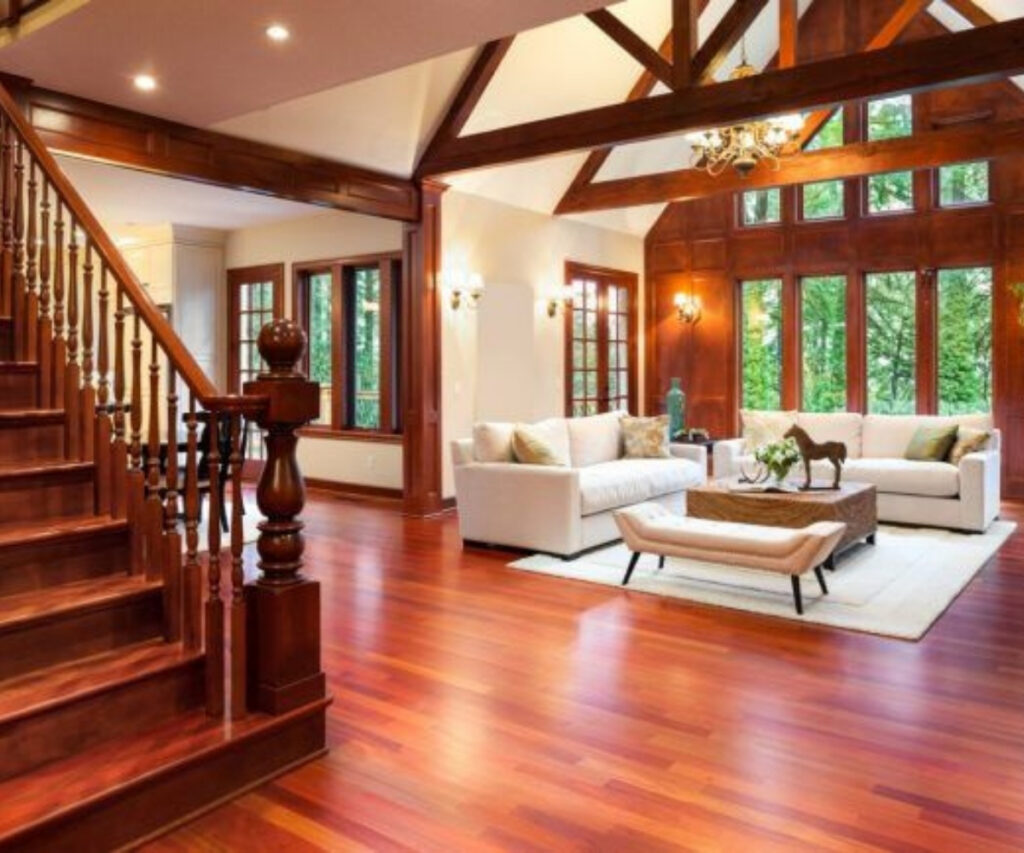
Discover the Timeless Beauty and Strength of Hardwood Flooring Hardwood flooring has long been admired for its timeless elegance and enduring strength. Whether made from solid planks or engineered layers, hardwood remains a preferred choice for homeowners seeking both natural beauty and lasting value. In this guide, we explore the two main types of hardwood flooring—Solid Hardwood and Engineered Hardwood—highlighting their unique qualities and advantages. Solid Hardwood Flooring: Traditional Charm and Refinishing Flexibility Solid hardwood is crafted from a single piece of natural wood, offering a classic and authentic appearance. Its rich grain patterns and warm tones bring depth and character to any space. One of its standout features is the ability to be sanded and refinished multiple times, allowing homeowners to refresh the surface over the years. However, it is sensitive to humidity and temperature changes, which can lead to expansion or contraction. Engineered Hardwood Flooring: Modern Construction, Enhanced Stability Engineered hardwood is designed with multiple layers: a top layer of real hardwood and a core made of high-density fiberboard, plywood, or other composite materials. This layered structure increases resistance to moisture and temperature shifts, making it ideal for areas like basements or kitchens. Available in a wide variety of wood species, stains, and finishes, engineered hardwood offers great design flexibility while maintaining the natural look of wood. Enhancing Interiors with Natural Elegance Both solid and engineered hardwood add a refined touch to interiors, making them suitable for living rooms, bedrooms, hallways, and more. With choices ranging from oak and walnut to maple and teak, homeowners can customize the look to complement modern, rustic, or traditional décor styles. Lifespan and Investment Value Durability is a key reason homeowners choose hardwood. When properly maintained, both solid and engineered hardwood can last for decades. Solid hardwood, in particular, can increase in charm over time. Additionally, hardwood flooring is often viewed as a premium feature, enhancing property resale value and appeal to future buyers. Simple Maintenance and Lasting Appeal Hardwood floors are relatively easy to maintain. Routine cleaning with a broom or vacuum and occasional polishing can preserve their appearance for years. For deeper restoration, refinishing is an option—especially for solid wood floors. Their timeless aesthetic ensures that hardwood remains stylish even as interior design trends evolve. Conclusion Hardwood flooring combines natural beauty, impressive longevity, and versatility. Whether you prefer the classic richness of solid hardwood or the moisture-resistant stability of engineered hardwood, both options elevate the ambiance and value of a home. As a long-term investment in comfort and style, hardwood continues to be a trusted choice for homeowners across generations.

Call Now Button