Introduction
Building a home is one of the most significant investments in a person’s life. But before the construction begins, one essential element guides the entire process—the floor plan. A floor plan is more than just lines on paper; it is the roadmap to your future home, showing the arrangement, size, and functionality of every room. At Alakar Tirupathi Builders, Coimbatore, we emphasize that understanding floor plans is critical for homeowners who want a comfortable, practical, and aesthetically pleasing living space. A carefully designed floor plan not only enhances your lifestyle but also ensures cost-effective construction and long-term value for your property.
What is a Floor Plan?
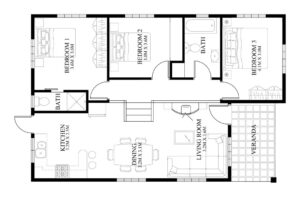
A floor plan is a scaled diagram viewed from above, representing the layout of your home. It indicates walls, doors, windows, staircases, and other structural features. More advanced floor plans also show furniture placement, electrical points, and plumbing. By reviewing a floor plan, homeowners can understand how each space connects, how much natural light each room will receive, and how the flow of movement will work within the home. In essence, a floor plan is the first step in translating your vision into a real, tangible home.
Key Elements of a Floor Plan
- Rooms and Spaces – Floor plans clearly define each room and its purpose—living rooms, bedrooms, kitchens, bathrooms, study areas, and storage spaces. Understanding this layout helps homeowners decide if the home meets their functional needs.
- Dimensions and Measurements – Accurate measurements in a floor plan are vital to ensure that rooms are proportionate and that furniture fits comfortably. It also helps in planning for future renovations or expansions.
- Doors and Windows – The placement of doors and windows impacts ventilation, privacy, and natural lighting. A well-planned floor plan balances aesthetics with practicality.
- Furniture Layout – Many modern floor plans include suggested furniture placements. This helps homeowners visualize the interior space and plan their décor in advance.
- Flow and Accessibility – Smooth movement between rooms is essential for a functional home. Floor plans help identify potential bottlenecks and ensure easy accessibility for all family members.

Types of Floor Plans
- Single-Story Floor Plans – Ideal for smaller plots or homeowners looking for easy accessibility, especially for elderly family members.
- Multi-Story Floor Plans – Perfect for urban areas like Coimbatore where land may be limited. Multi-story plans maximize living space by building vertically.
- Open Floor Plans – Popular in modern homes, open floor plans combine living, dining, and kitchen areas to create a spacious, airy feel.
- Closed Floor Plans – These plans separate spaces for more privacy and distinct room functionality, suitable for traditional family homes.
Why Floor Plans Are Important for Homeowners
- Efficient Use of Space – A well-thought-out floor plan ensures every square foot is utilized effectively, preventing overcrowding and unused areas.
- Cost-Effective Construction – Clear floor plans reduce errors during construction, minimize wastage of materials, and save money in the long run.
- Better Planning for Interiors – Knowing room sizes and layouts in advance helps homeowners plan furniture placement, décor, and even electrical and plumbing requirements.
- Enhanced Lifestyle – A practical layout contributes to comfort, ease of movement, and better utilization of natural light and ventilation.
- Increased Resale Value – Homes with intelligent floor plans are highly desirable in the real estate market, providing better returns if you decide to sell in the future.

Tips from Alakar Tirupathi Builders, Coimbatore
- Review Multiple Options – Explore different floor plan layouts to find one that matches your lifestyle, family needs, and future plans.
- Focus on Natural Light and Ventilation – Strategic placement of windows and open areas improves health, comfort, and energy efficiency.
- Plan for the Future – Consider long-term requirements such as extra rooms, home offices, or accessibility features for aging family members.
- Seek Expert Guidance – Experienced builders like Alakar Tirupathi Builders can provide insights on practical design, structural feasibility, and optimal use of space.
- Balance Functionality and Aesthetics – A good floor plan not only looks beautiful but also ensures practical functionality, making your daily life easier and more enjoyable.
Common Mistakes Homeowners Should Avoid
- Ignoring the importance of circulation space, leading to cramped or awkwardly connected rooms.
- Overlooking storage solutions such as closets and utility spaces.
- Underestimating the impact of window placement on light, air flow, and privacy.
- Failing to consider future growth or lifestyle changes.
By understanding these pitfalls, homeowners can make more informed decisions and avoid costly redesigns later.

Conclusion
A home is more than a structure—it is a reflection of your lifestyle, comfort, and personality. Understanding floor plans allows homeowners to visualize their future, plan effectively, and avoid potential mistakes. With the expertise of Alakar Tirupathi Builders in Coimbatore, you can ensure that your home is designed for both beauty and functionality. From the initial blueprint to the final construction, a well-planned floor plan ensures a harmonious, comfortable, and long-lasting living experience. Invest time in understanding your floor plan today, and watch your dream home come to life tomorrow.